The Best Social Media Platforms for Small Business Marketing in 2026
In 2026, the best social media platforms for small business marketing are Instagram, TikTok, LinkedIn, YouTube, Pinterest, and Facebook—each serving different goals like brand awareness, sales, or B2B leads. Your choice depends on your audience, content type, and budget, not on being everywhere at once.
Choosing where to spend your limited time and money on social media can feel overwhelming when new platforms pop up every year. As a small business owner or freelancer, you need platforms that actually move the needle—whether that’s generating sales, building a community, or driving website traffic. This guide breaks down the top six platforms for 2026, what they cost, who they work for, and how to avoid common mistakes that waste your effort.
1. Instagram for Small Business Marketing in 2026
Instagram remains a powerhouse for visual brands—think handmade products, food, fashion, fitness, and lifestyle services. Its algorithmic shift in 2025 heavily prioritized Reels and direct messaging (DMs) over static feed posts, so businesses that lean into short-form video and conversational marketing see the best results. For example, a local bakery posting daily Reels of its decorating process can reach thousands of potential customers organically, while a static photo of a cake might only reach existing followers.
Cost-wise, Instagram ads are still competitive, with average cost-per-click (CPC) around $0.50–$1.00 for most niches, though that varies widely by targeting and season. Beginners often make the mistake of posting too infrequently or using hashtag spam—Instagram now penalizes overused or irrelevant hashtags. Instead, use 3–5 targeted hashtags and post Reels at least 3–4 times per week. Many small business owners find that consistent Reels content grows their account faster than any other tactic, but expect it to take 2–3 months of regular posting before seeing meaningful engagement.
The platform’s shopping features, like Instagram Shops and product tags, work well if you have a product catalog and can link it to your website. A common trade-off is that organic reach for non-Reels content has dropped significantly; if you don’t enjoy making videos, Instagram might not be your best bet. Also, the algorithm favors accounts that use DMs to nurture leads—responding quickly to inquiries and sending personalized offers can improve your account’s visibility. For most small businesses, Instagram is worth starting with if you can commit to regular video creation and community management.
2. Why TikTok Works for Small Business in 2026
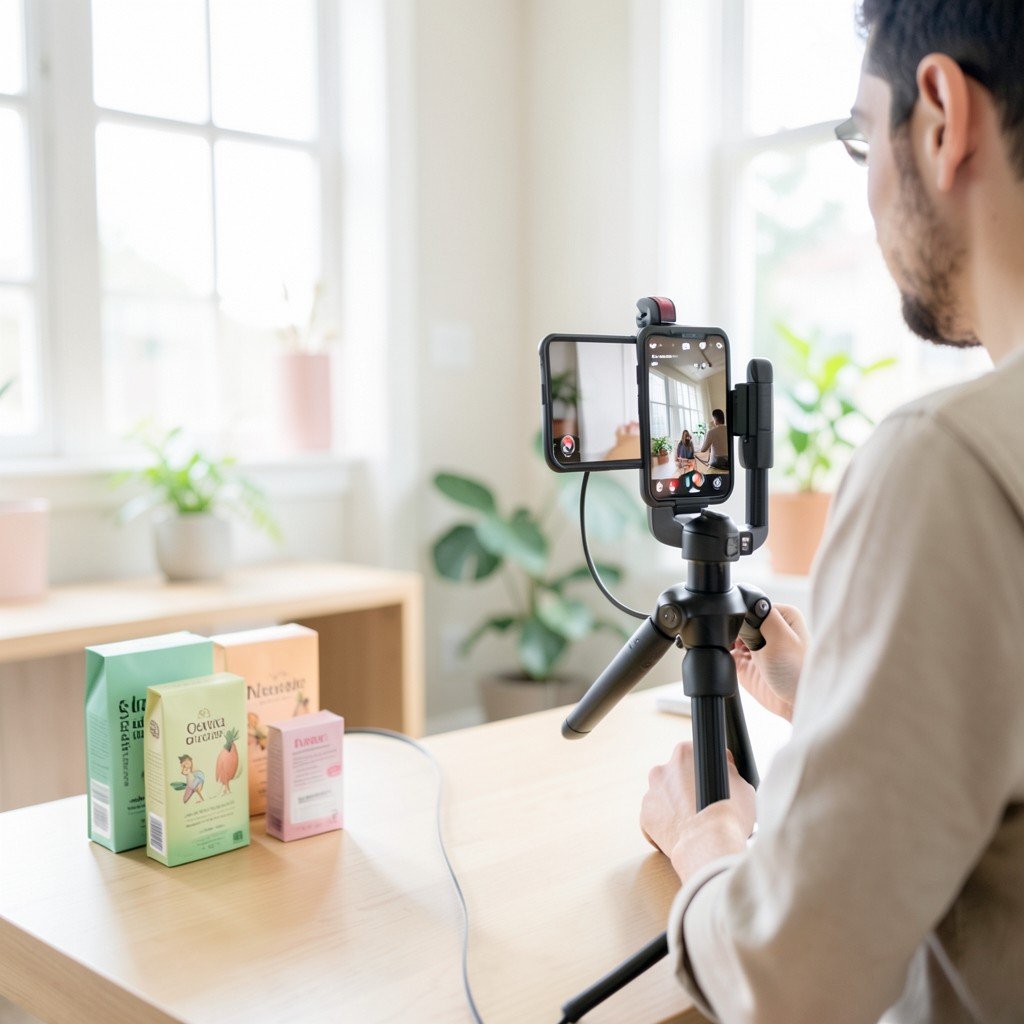
TikTok has evolved from a dance-app stereotype into a serious discovery engine, especially for businesses targeting Gen Z and younger Millennials. Its algorithm is uniquely good at showing your content to people who don’t follow you, meaning a single well-made video can go viral and drive thousands of website visits or sales. In 2026, TikTok’s search functionality has also improved, so users actively search for things like “best budget marketing tools” and land on creator videos—a huge opportunity for small businesses to be found.
Time investment is the main cost here: you’ll need to produce authentic, raw-style videos regularly—think behind-the-scenes, product demos, or educational clips. Professional production quality isn’t required; in fact, overly polished content often underperforms. Beginners frequently try to replicate their Instagram aesthetic on TikTok and fail. Instead, talk directly to the camera, show your process, and use trending audio. One concrete example: a freelance graphic designer can post “3 logo design tips for startups” with a simple screen recording, and that video could appear in front of thousands of potential clients.
TikTok ads are more expensive per click than Instagram, averaging $0.80–$1.50, but the platform’s conversion rates for e-commerce can be higher if your targeting is tight. A downside is that TikTok’s algorithm changes often—what worked six months ago may not work now, so you need to stay flexible. Also, if your target audience is over 40, TikTok’s user base is still younger, so it may not be your priority. For businesses that can create quick, helpful video content consistently, TikTok offers the best organic reach potential of any platform right now.
3. LinkedIn for B2B and Professional Services
LinkedIn remains the go-to platform for B2B companies, consultants, freelancers, and anyone selling high-ticket services. Its value lies in its professional context—users are there to network, learn, and find solutions, so they’re more receptive to business content. In 2026, LinkedIn’s algorithm prioritizes posts that spark conversation rather than just broadcast updates. That means writing thoughtful posts about industry insights, asking questions, and engaging in comments is more effective than sharing blog links.
Cost per lead on LinkedIn is typically higher than other platforms, with CPC ranging from $2.00–$5.00 for most industries. However, the leads are often more qualified because of the platform’s detailed targeting by job title, company size, industry, and seniority. A common mistake small businesses make is treating LinkedIn like Facebook—posting promotional content or using overly casual language. Instead, focus on building authority: share case examples (without naming clients), offer free templates, or write a short post about a lesson learned in your business.
LinkedIn’s newsletter feature and the ability to host events are underused but powerful for growing an audience. For example, a freelance marketing consultant can start a weekly newsletter on LinkedIn covering one marketing tactic—subscribers get notified each new post, building a loyal readership. The trade-off is that LinkedIn requires a longer time horizon: you probably won’t see leads from day one. Plan to spend 3–6 months consistently sharing valuable content before you see significant inbound inquiries. If you sell to businesses or high-value clients, LinkedIn is almost mandatory; if you sell to consumers, it’s probably not worth your time.
4. YouTube and YouTube Shorts for Long-Term Growth
YouTube is the second-largest search engine after Google, and in 2026 it’s still one of the most effective platforms for building trust and driving traffic. Small businesses that create how-to videos, product reviews, or case studies can capture search traffic that continues paying off years later. The key difference between YouTube and other platforms is longevity: a well-optimized video can rank in search results for months or even years, while a TikTok post is usually dead within a week.
The main cost is time—editing even a simple tutorial can take 4–8 hours. Many beginners quit after a few videos because they don’t see instant views. The trick is to focus on keywords with search volume using YouTube’s autocomplete or a tool like VidIQ, and then deliver value fully in the video. For example, a small accounting firm could make a video titled “How to File Small Business Taxes in 2026 (Step-by-Step)” and rank for that query for months. YouTube Shorts, which are vertical videos under 60 seconds, offer a faster way to build subscribers—they get more reach but less retention than long-form content.
YouTube ads (TrueView) let you pay per view, with average costs around $0.10–$0.30 per view, making it cost-effective for brand awareness. A downside is that monetization requires high subscriber counts (1,000 subscribers and 4,000 watch hours), which few small businesses reach quickly. But you don’t need monetization for YouTube to drive sales—a single video can bring in leads consistently. If you’re comfortable on camera or can screen record tutorials, YouTube is a powerful long-term asset. For businesses that hate video production, skip it—there are easier platforms that require less effort.
5. Pinterest for E-commerce and Visual Traffic
Pinterest is often overlooked by small businesses, but it’s a top traffic driver for e-commerce, especially in niches like home decor, fashion, recipes, DIY, and wedding planning. Unlike other social platforms, Pinterest functions more like a visual search engine: users actively look for ideas, so they’re in a buying mindset. In 2026, Pinterest’s algorithm has improved at recommending Pins based on user intent, and its shopping features (like product Pins) directly link to your website.
The cost to advertise on Pinterest is relatively low, with average CPC around $0.20–$0.60, and the platform’s “Idea Pins” (similar to TikTok videos) get strong engagement. A common mistake is treating Pinterest like Instagram—posting one Pin per photo and forgetting about it. Instead, create multiple Pins for the same piece of content with different images and descriptions, and design vertical graphics (1000 x 1500 px) that stand out. For example, a small home decor brand can Pin a product photo, a styled room shot, and a tutorial video all linking to the same product page, increasing the chance of being found.
One limitation is that Pinterest works best for visual, shoppable products—service businesses like plumbers or accountants rarely see traffic from it. Also, results take time: building a Pinterest presence with consistent pinning (5–10 Pins per day) typically takes 3–6 months before you see significant referral traffic. The upside is that Pins have a much longer lifespan than posts on other platforms—a Pin you create today can still drive traffic a year from now. If your business has visually appealing products and you can commit to regular pinning, Pinterest deserves a spot in your mix.
6. Facebook’s Role for Small Business in 2026
Facebook may seem passé to many marketers, but it’s still the largest social platform globally and excels at two things: building community and running highly targeted ads. For small businesses with a loyal customer base, a Facebook Group can be a powerful asset for retention and word-of-mouth. Organic reach on Facebook Pages has declined significantly, however, so without a budget for ads, you’ll struggle to get traction. Beginners often waste time trying to grow a Page organically—instead, invest that effort in joining and participating in relevant Groups, or create your own.
Facebook Ads remain the most refined ad platform for small budgets, with targeting options based on location, interests, behaviors, and custom audiences from your email list. CPC averages $0.30–$0.80, which is affordable for testing. A common mistake is setting up one ad and expecting it to work; successful Facebook advertising requires split-testing audiences, images, and copy. For instance, a local gym could run an ad targeting people within 10 miles who are interested in fitness, then test two offers: a free trial week versus a discounted membership—and only keep the winner running.
Facebook’s integration with Instagram (via Meta Business Suite) means you can manage both platforms from one place, saving time. The downside is that Facebook’s algorithm strongly prioritizes content from friends and family over businesses, so even your followers may not see your posts unless you advertise. For most small businesses, Facebook works best as a complement to Instagram or as a paid ad channel rather than an organic focus. If your audience skews older (40+), Facebook is essential; if they’re under 30, you can deprioritize it.
Conclusion: Choosing the Right Social Media Platform for Your Business
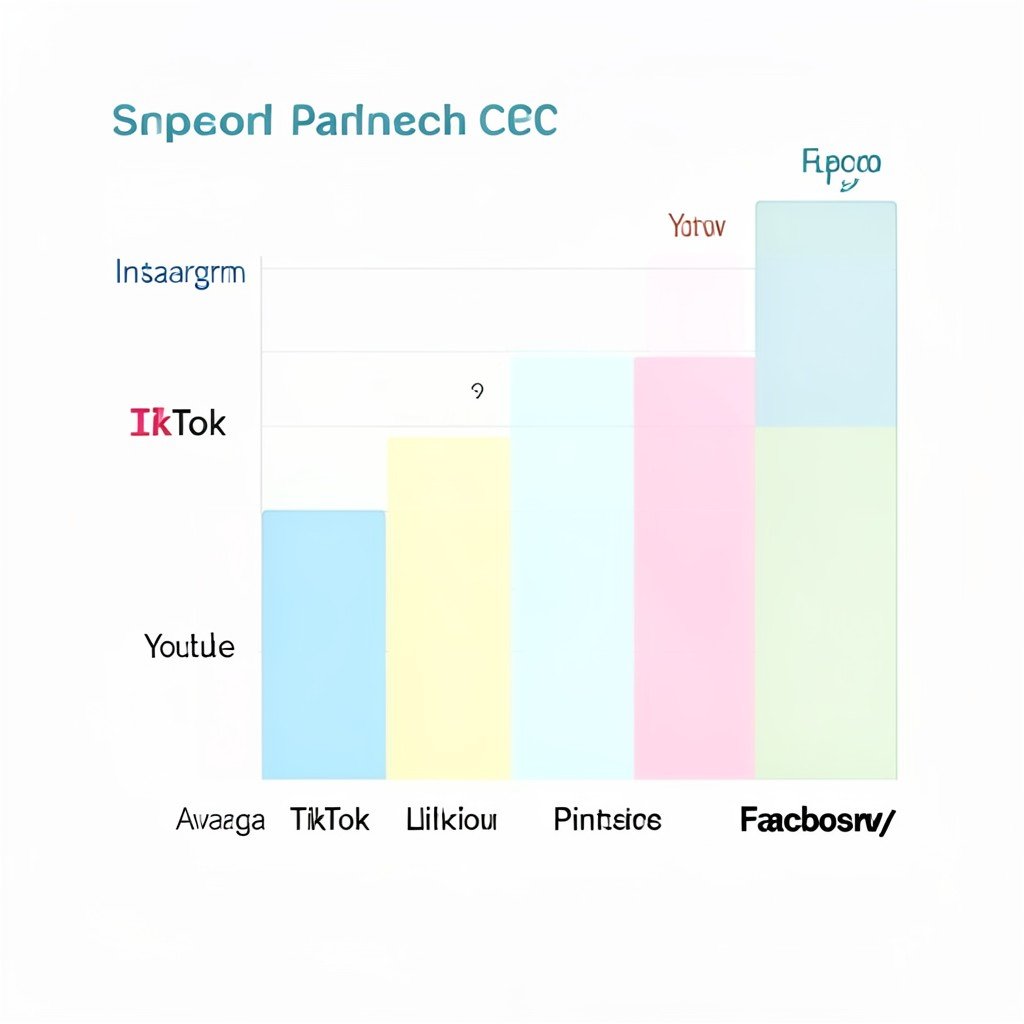
The social media platform you choose in 2026 should align with your business type, your audience’s age and preferences, and the content you can consistently produce. No single platform is best for everyone, but most small businesses get strong results by picking just one or two platforms and mastering them, rather than spreading thin across five. Start by identifying where your ideal customers already spend their time—if you’re B2B, LinkedIn is a safe bet; if you sell visual products to Gen Z, TikTok or Instagram are smarter. Budget also matters: if you have no money for ads, focus on TikTok or Pinterest for organic reach; if you can spend $500/month on ads, Facebook and Instagram give you the most targeting control. Finally, be realistic about your time and skills—video-heavy platforms won’t work if you hate being on camera. Choose based on your strengths, commit for at least three months, measure what matters (leads, not likes), and adjust as you learn.
Frequently Asked Questions
Which social media platform is best for a small local business?
For a local business like a restaurant or boutique, Instagram and Facebook work best because they support location-based targeting and local community engagement. You can run ads targeting people within a few miles of your business, and post content that showcases your location to attract foot traffic.
Can I do social media marketing for free as a small business?
Yes, you can get results without paid ads by focusing on organic content, especially on TikTok, Pinterest, and Instagram Reels. However, free reach on Facebook and LinkedIn is very limited, so you’ll need to invest significant time in consistent posting and community interaction to see any traction.
How many social media platforms should a small business use?
Most small businesses should pick one or two platforms where their audience is most active and double down there. Trying to maintain five accounts with limited time often leads to burnout and poor content quality—it’s better to be excellent on one platform than mediocre on three.
What’s the biggest mistake small businesses make on social media?
The biggest mistake is treating every platform the same—posting the identical content on Instagram, LinkedIn, and TikTok without adapting to each platform’s culture and format. Each platform rewards different types of content, and cross-posting without tailoring usually leads to low engagement.
To help you decide, here are key criteria to consider when choosing a platform:
- Your audience’s age: TikTok for under 30, Instagram for 18-40, Facebook for 40+, LinkedIn for professionals regardless of age.
- Your content type: Short video thrives on TikTok and Reels; long-form video on YouTube; images on Instagram and Pinterest; text and articles on LinkedIn.
- Your budget: Organic reach is best on TikTok and Pinterest; paid ads give most control on Facebook and Instagram.
- Your goals: Brand awareness via viral reach works on TikTok and Instagram; lead generation works on LinkedIn; traffic and sales work on Pinterest and YouTube.
- Your time commitment: Video-heavy platforms require at least 3-4 hours/week; text-based platforms like LinkedIn need 1-2 hours/week for engagement.
Use this list as a quick checklist before committing to a platform.