Small Business SEO Services on a Budget in 2026
Small business SEO services help local brands and freelancers rank higher in search results without spending thousands monthly. In 2026, affordable options include DIY tools, freelancers, and micro-agencies that deliver measurable results for under $500 per month.
If you run a small business or freelance operation, you know that showing up on Google is critical—but the price tag of agency SEO services can be shocking. Many owners assume they need a $5,000/month retainer to compete. That’s simply not true in 2026. Between smarter tools, freelance marketplaces, and curated DIY approaches, small business SEO services have become more accessible than ever. This guide walks you through realistic budgets, what you actually get for your money, and how to avoid common pitfalls that waste time and cash.
What Are Small Business SEO Services in 2026?
In 2026, small business SEO services range from full-service agency packages to a la carte offerings like technical audits, content writing, or local listings management. The core work still involves optimizing your site to rank for relevant search queries, but the delivery has shifted dramatically. Many providers now use AI-assisted tools to speed up keyword research, content drafting, and performance reporting—which means lower costs for clients.
You’ll typically encounter three tiers: DIY with software subscriptions (think Ahrefs or Semrush at $100–$200/month), freelancers on platforms like Upwork ($500–$1,500 per project), and boutique agencies offering custom retainer packages ($1,000–$3,000/month). Each tier has trade-offs. DIY requires significant time and learning curve; freelancers vary wildly in quality; agencies bring consistency but at a premium.
One common beginner trap is assuming that a low monthly retainer covers everything. Experienced business owners know to read scope documents carefully. For example, a $500/month package might include two blog posts and basic on-page tweaks but omit technical fixes or link building. Always confirm deliverables before signing.
Another shift in 2026 is the emphasis on local SEO for small businesses. Nearly half of all Google searches have local intent, and services that focus on Google Business Profile optimization, local citation building, and review management are often more cost-effective than broad national SEO efforts. If you serve a specific city or region, prioritize local-focused packages.
How Much Should a Small Business Spend on SEO in 2026?
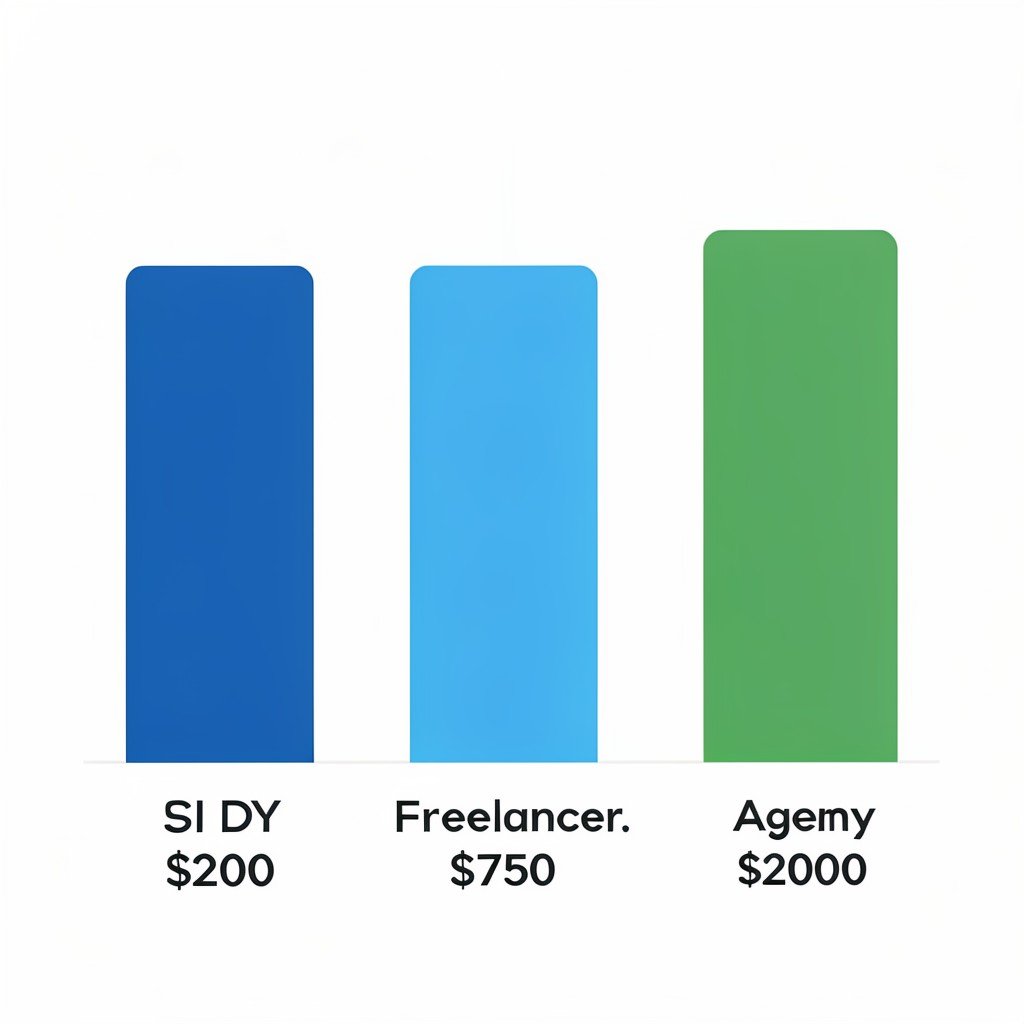
Industry benchmarks suggest that small businesses should allocate 7–10% of their monthly revenue to marketing, with SEO taking roughly half of that. For a business earning $10,000 per month, that means $350–$500 for SEO. However, this is a starting point—not a fixed rule. A newer business with no organic traffic may need to invest more upfront to build momentum.
Realistically, the cheapest effective small business SEO services start around $200/month for a basic DIY stack (keyword research tool + content writer + local listing management). Freelancers often charge $50–$150 per hour, so a 10-hour optimization sprint runs $500–$1,500. Retainer packages from micro-agencies (1–5 employees) typically land between $750 and $2,000 per month for a comprehensive plan.
Watch out for hidden costs. Many services charge extra for reporting, competitor analysis, or link outreach. Some require a setup fee of $500–$1,000 to cover initial audit and strategy. A transparent provider will list all fees upfront. Ask for a line-item breakdown before committing.
If budget is extremely tight, consider a phased approach: start with a one-time technical audit ($300–$600) to fix critical issues, then add a monthly content package ($200–$400) for blog posts targeting your top keywords. Once you see traction, invest in link building or local citations. This spread reduces upfront risk and lets you measure ROI at each step.
What Should You Look for in a Small Business SEO Service?
First, demand clear reporting. A credible SEO service will provide a monthly report covering keyword rankings, organic traffic, conversion data (if integrated), and a list of completed tasks. Be wary of agencies that only show rankings without traffic or conversions—rankings alone don’t pay the bills. In 2026, many reputable providers use dashboards like Google Looker Studio to give real-time visibility.
Second, check their proven experience with small businesses. Ask for 2–3 anonymized case studies or references from clients similar to your industry and budget. A service that only works with ecommerce stores may not understand a service-based local business’s needs. Look for specific examples of how they improved local visibility, such as “increased Google Business Profile views by 40% in three months.”
Third, ensure they follow Google’s guidelines. Avoid any provider that promises backlinks from spammy directories, keyword stuffing, or other black-hat tactics. In 2026, Google’s algorithms are more adept at penalizing manipulative signals. A good service emphasizes content quality, user experience, and technical health.
Finally, consider communication style. You want a partner who explains SEO in plain language and responds within 24 hours. Small business owners don’t have time for jargon-filled emails or delayed replies. Many freelancers and micro-agencies offer Slack or direct messaging for faster communication—prefer that over email-only setups.
Can You DIY Your SEO Instead of Hiring a Service?
Absolutely—and many small business owners successfully combine DIY with selective outsourcing. The biggest advantage of DIY is cost: you save agency fees and can reinvest that money into tools and content. The downside is time. SEO requires consistent effort—keyword research, content creation, technical fixes, and link building—and results typically take 3–6 months to appear.
If you choose the DIY route, start with a solid tool stack. Essential tools in 2026 include a keyword research tool (Ahrefs or Semrush at $99–$199/month), a site audit tool (Screaming Frog free or $200/year), and a rank tracker (AccuRanker or similar at $100+/month). For content, consider using an AI writing assistant like Claude or Jasper to draft blog posts, but always edit for originality and accuracy.
Other tasks are easier to outsource selectively. For example, you can write your own blog posts but hire a freelancer on Fiverr to build local citations ($50–$100 per one-time setup). You can learn on-page SEO basics from free resources but pay an expert $200 for a one-hour technical audit call. This hybrid approach keeps costs low while addressing skill gaps.
A common mistake beginners make is attempting everything at once. They install ten tools, write 20 articles, and submit to 50 directories in the first month—then burn out. Instead, focus on one channel: perfect your Google Business Profile, get 5–10 reviews, write 4 well-researched blog posts targeting your main keywords, and fix technical issues like page speed. Repeat monthly. This steady effort outperforms sporadic bursts.
Which SEO Tasks Deliver the Highest ROI for Small Businesses?
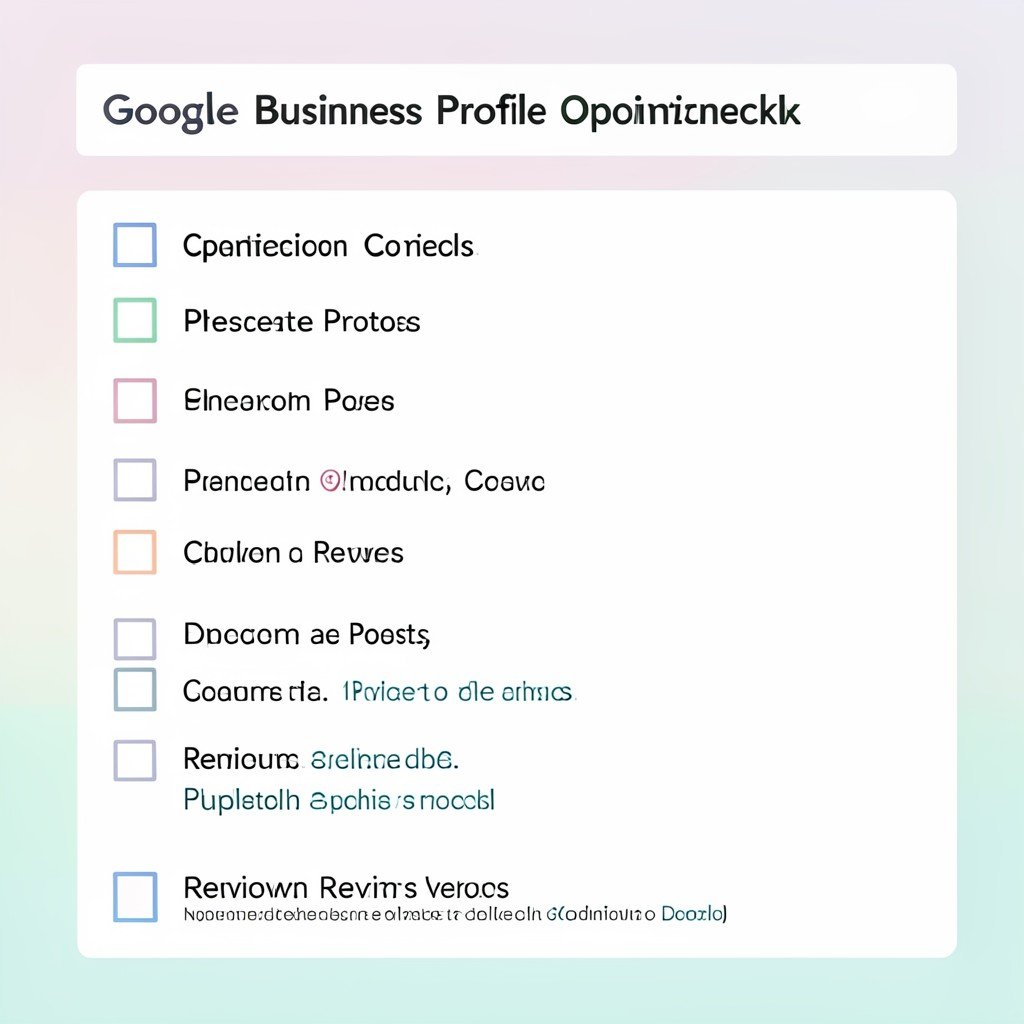
Not all SEO tasks are created equal. For a small business, tasks that improve local visibility and user experience tend to yield the fastest returns. Topping the list is optimizing your Google Business Profile (GBP). A fully completed GBP with accurate hours, categories, photos, and regular posts can boost local pack rankings significantly. Many businesses see a 20–30% increase in phone calls within a month of tidying up their profile.
Second is on-page keyword optimization for your most valuable pages. For a local bakery, that might be “custom cakes [city]” or “sourdough bread delivery.” Craft landing pages that directly answer what customers search for—include the keyword in the title, H1, first paragraph, and naturally throughout. This is a one-time effort (with occasional updates) and costs only your time or a writer’s fee.
Third, acquire quality backlinks from local sources. A link from your chamber of commerce website, a local news article, or a community blog carries more weight for local SEO than a generic directory link. Tactics include sponsoring a local event, joining the chamber, or offering a testimonial to a vendor. These are low-cost or free and build authority.
Fourth, improve page speed and mobile usability. Google’s Core Web Vitals are ranking factors, and a slow site frustrates visitors. Tools like Google PageSpeed Insights are free. Common fixes like image compression, caching, and reducing JavaScript can be done with plugins (e.g., WP Rocket) or a developer for $100–$300. The payoff is lower bounce rates and better rankings.
When NOT to prioritize a task: Avoid spending money on guest posting on low-quality sites just for links—it’s risky and often ineffective. Also, don’t chase hundreds of long-tail keywords early on; focus on 5–10 high-intent terms that directly relate to your services.
How to Evaluate the Success of Your SEO Investment

Setting up proper tracking before you start is non-negotiable. Install Google Analytics 4 (GA4) and Google Search Console on your site. Define what “success” means for you: is it more phone calls, form submissions, newsletter sign-ups, or ecommerce sales? Configure goals in GA4 so you can measure conversions, not just traffic.
Every 30 days, review these key metrics:
- Organic traffic – total visits from search engines, segmented by landing page.
- Keyword rankings – track your top 10 target keywords, focusing on position and search volume changes.
- Conversion rate – percentage of organic visitors who complete your desired action.
- Average position in local pack – for local queries, check which map position you appear in.
If you’re working with a service, they should provide these metrics automatically. A good rule of thumb: aim for a 5–10x return on your monthly spend within six months. For example, if you spend $500/month on SEO, you should see at least $2,500–$5,000 in new revenue attributed to organic channels within half a year. If you don’t, reassess the strategy or switch providers.
Beware of vanity metrics. Many services highlight “10,000 impressions” or “100 new keywords ranking,” but those numbers don’t matter if no one converts. Focus on leads or sales. Also, remember that SEO is a long game—seasonal businesses may see fluctuations, and algorithm updates can shake rankings temporarily. Evaluate performance over a 3–6 month window, not week to week.
Conclusion – Getting Started with Affordable SEO Services
Small business SEO services in 2026 are more accessible than ever, but choosing the right approach depends on your budget, time, and willingness to learn. For most small businesses, a hybrid strategy works best: handle basic local SEO yourself, use a freelancer for technical audits or content, and reserve a retainer for ongoing optimization only when you’ve validated ROI. Start with a clear budget—$300–$1,000 per month is realistic for solid results—and always track conversions to prove value. The key is consistency, not perfection. Take the first step today by auditing your Google Business Profile and writing one optimized page for your core service.
Frequently Asked Questions
How much do small business SEO services cost in 2026?
Prices range from $200/month for a DIY tool stack to $2,000+/month for a full-service agency retainer. Most freelancers charge $50–$150 per hour, and one-time projects like audits run $300–$600. The sweet spot for many small businesses is $500–$1,000/month for a balanced package.
Can I do SEO for my small business myself?
Yes, many owners successfully handle basic SEO themselves using tools like Ahrefs and Google Search Console. However, technical fixes and link building often require expertise. A hybrid approach—DIY for content and local listings, plus hired help for audits—offers the best cost-value balance.
How long does it take to see results from small business SEO?
Realistic timelines are 3–6 months for initial rankings and traffic, and 6–12 months for significant revenue impact. Local SEO improvements like Google Business Profile optimization can show results in 1–2 months. Patience and consistent effort are essential.
What should I avoid when hiring an SEO service?
Avoid services that promise #1 ranking, use black-hat tactics like link farms, or refuse to show transparent reporting. Also, steer clear of long-term contracts with heavy early termination fees—start with a month-to-month agreement to test performance.