Social Media Marketing Strategy for Small Businesses in 2026
A social media marketing strategy is a documented plan that outlines your goals, target audience, content approach, and key metrics for each platform you use to promote your small business. It aligns your social efforts with broader business objectives, ensuring you invest time and money where they generate the best return.
Social media in 2026 moves faster than ever. Algorithms shift, new platforms emerge, and your audience expects authentic, valuable content — not just sales pitches. For small business owners and freelancers, a well-thought-out social media marketing strategy is the difference between wasting hours posting into the void and building a community that actually buys from you. This guide walks you through exactly how to create one that works, without an agency budget.
What Makes a Modern Social Media Marketing Strategy Different in 2026?
The social media landscape of 2026 is fundamentally different from just two years ago. Short-form video has fully dominated, with platforms like TikTok, Instagram Reels, and YouTube Shorts driving the bulk of organic engagement. Text-only posts rarely get organic reach unless you already have a highly engaged following. Many small business owners who built their following on static images now find themselves needing to adapt to video-first content or see their reach drop significantly.
Another major shift is the rise of AI-powered content creation and personalization. Algorithms now prioritize content that demonstrates deep understanding of niche communities rather than broad generic posts. Platforms are also rolling out more shopping features directly within feeds, making it possible for customers to purchase without leaving the app. This creates both an opportunity and a challenge: you need content that both engages and converts.
The cost of organic reach continues to decline. While some businesses still see strong organic engagement, most pages — especially for small businesses — now have to invest in ads to reach a meaningful portion of their audience. This doesn’t mean organic is dead, but it does mean your strategy must include a paid component or rely heavily on community-building tactics like direct messaging and engagement groups. Understanding these changes upfront helps you set realistic expectations from the start.
Trust is also a bigger factor in 2026. Audiences have become wary of polished, overly produced content. They respond better to raw behind-the-scenes clips, real customer stories, and educational posts that teach rather than sell. Small businesses have a natural advantage here because their size allows them to be more authentic and responsive than big brands. Your strategy should lean into that authenticity rather than trying to mimic corporate content.
How Do You Define Your Target Audience and Goals?
Before you create a single post, you need to know exactly who you are trying to reach and what you want them to do. The biggest mistake small business owners make is trying to appeal to everyone, which results in content that resonates with no one. Instead, define a specific ideal customer profile: their age, location, income level, interests, and most importantly, the problems your product or service solves for them. If you already have customers, survey them to understand why they chose you and what platforms they use.
Once you know your audience, set clear, measurable goals. Avoid vague objectives like “increase brand awareness” — instead, define specific metrics such as “gain 500 new Instagram followers in 90 days” or “generate 20 qualified leads from Facebook ads per month.” Your goals should directly connect to business outcomes like sales, sign-ups, or website traffic. Each platform you choose to focus on should have its own goal aligned with the overall strategy.
A realistic timeline is important. Most small businesses see minimal results in the first month while they test content and learn what resonates. Significant organic growth typically takes 3 to 6 months of consistent posting and engagement. Paid ads can accelerate this, but they require a budget. Beginners often assume they’ll go viral in the first week, which sets them up for disappointment. Set expectations with yourself — or your clients if you’re a freelancer — that social media is a long-term investment.
Finally, document your audience and goals in a one-page strategy document. This doesn’t need to be fancy; a simple Google Doc works. Writing it down forces clarity and makes it easier to stay on track when daily tasks pull you in different directions. Revisit this document quarterly to adjust based on what’s working.
Which Social Media Platforms Should You Focus On?
In 2026, you don’t need to be on every platform. In fact, spreading yourself thin across five or six platforms is one of the fastest ways to burn out and see mediocre results. Instead, pick one or two platforms where your target audience spends the most time and where your content type naturally fits. For B2B service providers, LinkedIn remains the top choice for networking and lead generation. For visually-driven products like home decor, fashion, or food, Instagram and Pinterest are strong bets.
TikTok continues to dominate for reaching Gen Z and Millennials, especially for lifestyle, education, and entertainment content. Its algorithm still gives new accounts a fair chance at visibility if your content hooks viewers in the first three seconds. YouTube is evolving beyond long-form into Shorts, making it a dual-purpose platform for both in-depth tutorials and quick tips. Facebook, while older-skewing, still delivers strong ROI for local businesses through community groups and targeted ads.
Emerging platforms like BeReal and Bluesky have niche but loyal user bases. They can be worth exploring if your audience is there, but they typically require more experimental, less polished content. Many small businesses find success repurposing one core piece of content — like a 60-second video — across two platforms rather than creating original content for each. This saves time while maintaining a consistent presence.
A trade-off to consider: focusing on one platform deeply can build a stronger community but puts all your eggs in one algorithmic basket. If that platform changes its algorithm or loses popularity, you could see a significant drop in reach. A common strategy is to build a primary presence on one platform and maintain a secondary presence on another with minimal effort. This way, you diversify risk without overextending your resources.
How Do You Create a Content Plan That Actually Works?
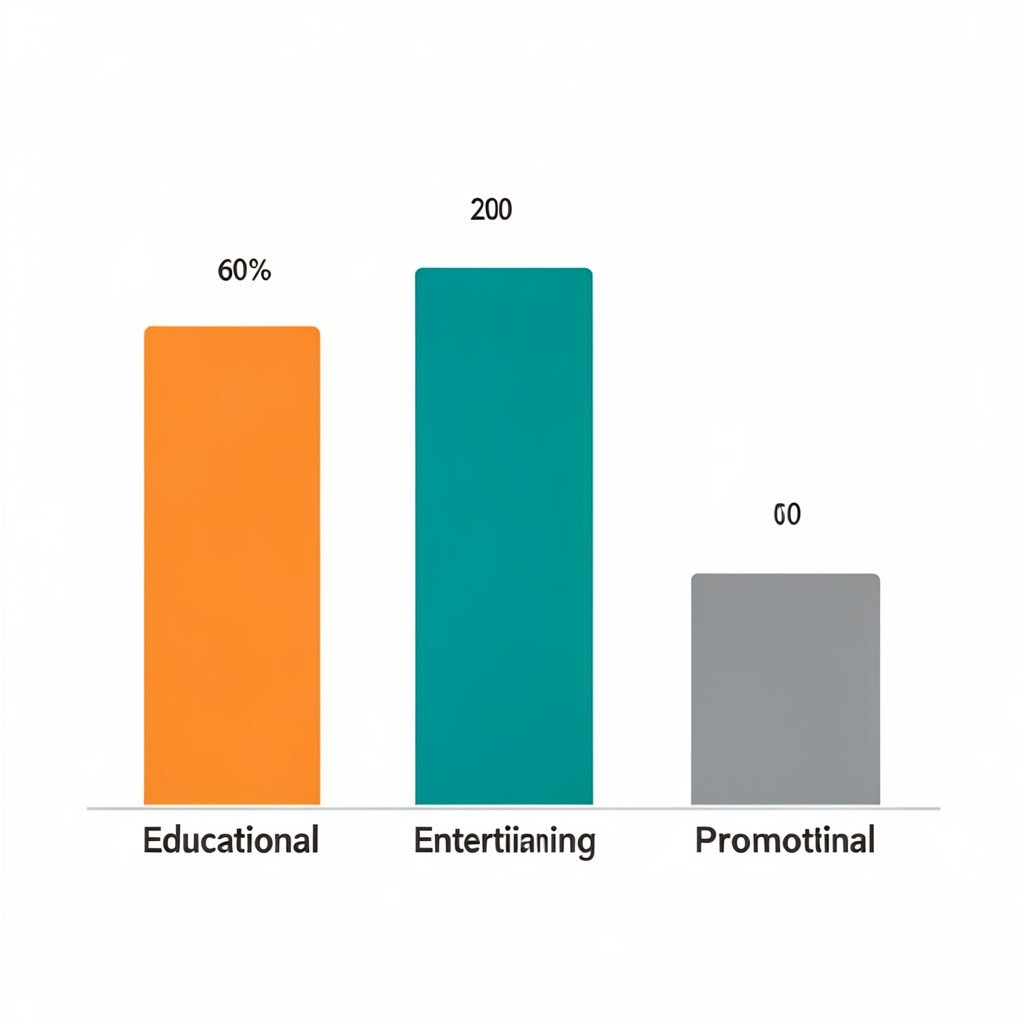
Your content plan should be built around three content pillars: educational, entertaining, and promotional. A common mistake is posting only promotional content, which turns off followers. Instead, aim for a rough ratio of 60% educational or entertaining, 20% community engagement (questions, polls, user-generated content), and 20% direct promotional posts. Educational content that teaches your audience something relevant to your niche builds authority and trust over time.
Start with a content themes list based on your audience’s most common questions and pain points. For example, if you run a bakery, themes could include decorating techniques, ingredient sourcing stories, and customer favorites. For each theme, brainstorm at least 10 specific post ideas. This reduces the daily pressure of thinking of something new. Batch-create your content one week ahead: record multiple videos or take photos in a single session, then schedule posts using a tool like Later or Buffer.
Short-form video is non-negotiable in 2026. Even if you’re camera-shy, consider repurposing customer testimonials or creating screen-recorded tutorials. Videos don’t need to be high-production — authentic, well-lit clips filmed on a smartphone often outperform polished studio content. Hook your audience in the first few seconds with a provocative question or a surprising statement. Keep videos between 15 and 60 seconds for maximum retention.
Also plan for consistent posting frequency. Posting once a day is ideal for growth, but if that’s too much, three to four times per week is a realistic minimum. Use your analytics to find which days and times your audience is most active. Early on, test different formats — carousels, single images, videos, stories — and double down on what gets the most engagement. Track your performance weekly, not obsessively, but enough to notice trends before they become habits.
A common pitfall: spending hours on content that doesn’t serve a clear goal. Every post should have a purpose — to educate, to engage, or to convert. If it doesn’t fit one of those buckets, reconsider whether it’s worth creating. This discipline keeps your content strategy tight and effective.
How to Integrate Paid Social Media Advertising
Organic reach alone is rarely enough for small businesses in 2026. Paid social advertising allows you to target specific audiences based on demographics, interests, and behaviors, bypassing algorithmic limitations. The key is to start small — a budget of $5 to $10 per day per platform is sufficient to test and learn before scaling. Beginners often make the mistake of setting a large budget without testing ad creatives or audiences first, leading to wasted spend.
Choose your ad objective based on your goal. If you want brand awareness, use reach or video view campaigns. For lead generation, use lead form ads (available on Facebook, Instagram, and LinkedIn) or send traffic to a landing page with a clear call to action. Retargeting is where most small businesses see the highest ROI. Set up a pixel or cookie on your website to show ads to people who visited but didn’t buy. These warm audiences convert at a much higher rate than cold ones.
When creating ads, use the same authentic, value-first approach as your organic content. Avoid overly salesy language — instead, lead with a benefit or a solution to a problem. Test multiple ad variations: different headlines, images or videos, and calls to action. Run A/B tests with small budgets to see what resonates before you scale. Many platforms now offer AI-powered creative tools that can generate ad copy or suggest image crops, but always review and customize them for your brand voice.
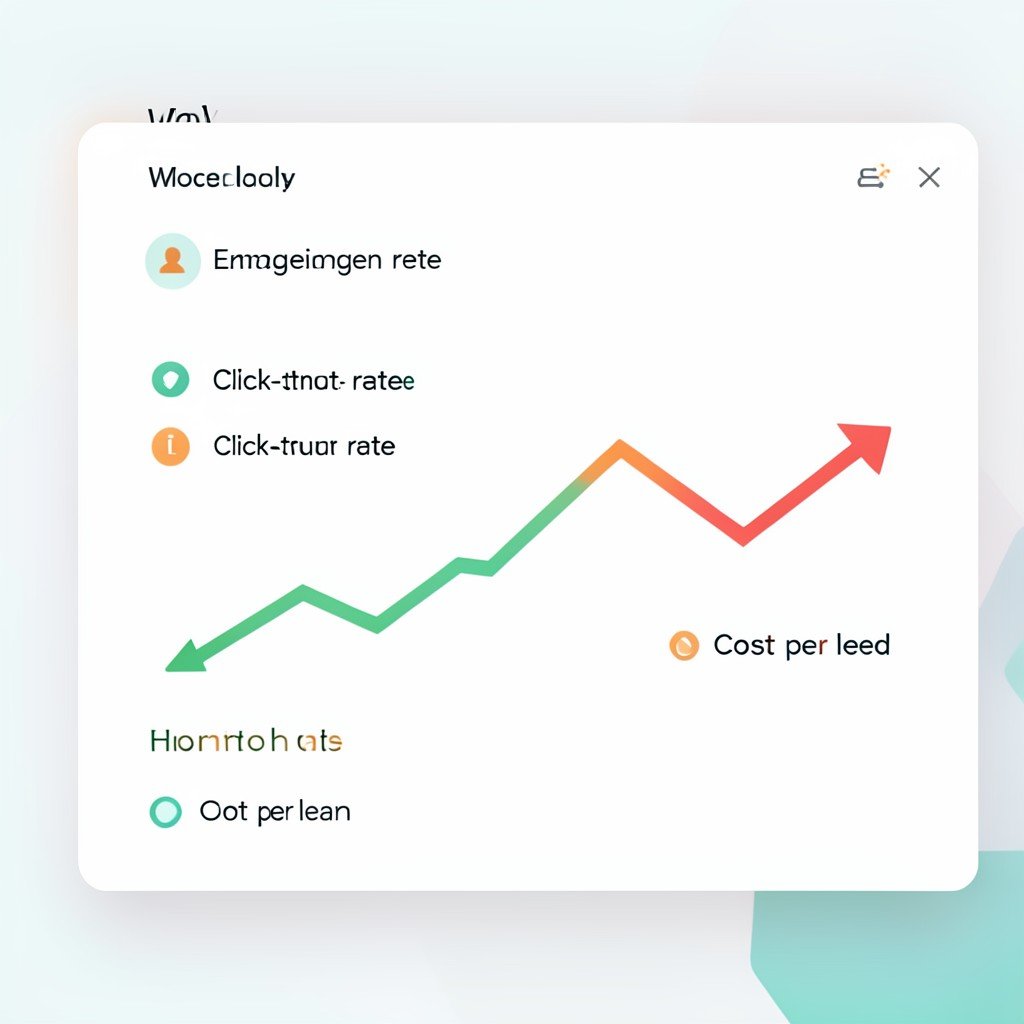
Be honest about costs: social ads are not a one-and-done investment. A typical cost-per-click for B2C campaigns ranges from $0.50 to $2.00, depending on industry and targeting. For B2B, costs can be higher, especially on LinkedIn where CPC often exceeds $5.00. Budget for ongoing testing and optimization. It’s common for the first month of ads to be unprofitable while you gather data. Track your cost per lead or cost per sale carefully; once you find a winning combination, you can scale slowly.
Measuring and Optimizing Your Strategy
Without measurement, you’re guessing. Define the key performance indicators that align with your goals — these might include engagement rate, click-through rate, conversion rate, cost per lead, or return on ad spend. Most platforms provide native analytics that show basic metrics. For more detailed analysis, use tools like Google Analytics (to track website actions from social) or a dedicated social media management tool that consolidates data across platforms.
Set a regular review cycle. Many successful small business owners do a quick 10-minute weekly check-in to see which posts performed best, and a deeper monthly review to assess progress toward goals. During the monthly review, ask:
- What content themes are driving engagement?
- Which platform is delivering the most website traffic or sales?
- Are your ad costs increasing?
Use these insights to adjust your content plan and ad targeting. If a certain type of post consistently underperforms, stop making it.
A common blind spot is vanity metrics — likes, follows, and impressions that don’t translate to business results. While these can indicate top-of-funnel awareness, they don’t pay the bills. Focus on metrics that correlate with revenue: link clicks, lead form submissions, direct messages for inquiries, and actual purchases from social sources. Set up conversion tracking in your analytics tools to see exactly how many sales each platform generates.
Optimization is an ongoing process. Test one variable at a time: posting time, content format, caption length, call to action. Small changes can have significant impact. For example, many businesses find that adding a clear, specific call to action like “DM me ‘guide’ for your free PDF” increases engagement far more than a vague “link in bio.” Track changes over at least two weeks before drawing conclusions. Patience here pays off in more efficient use of your time and budget.
Conclusion: Your 2026 Social Media Marketing Strategy Roadmap
A successful social media marketing strategy for small businesses in 2026 comes down to three fundamentals: know your audience, create valuable content consistently, and measure what matters. Start by defining your ideal customer and one or two specific, actionable goals. Choose one primary platform where your audience lives and commit to posting short-form video at least three times per week. Supplement organic with small paid ad tests focused on retargeting. Review your metrics weekly, adjusting based on real data rather than gut feelings.
The most important thing is to start imperfectly. You don’t need a perfect strategy to begin — you develop a better one by doing, analyzing, and iterating. Small businesses that treat social media as a conversation rather than a broadcast channel consistently outperform those that don’t. Focus on building genuine relationships with your audience, and the sales will follow. Your strategy should always serve your business, not the other way around.
Frequently Asked Questions
How often should a small business post on social media in 2026?
Posting once a day is ideal for growth, but consistency matters more than frequency. If daily posting is too much, aim for three to four times per week on your primary platform and scale up as you build a workflow.
What is the best social media platform for a small business with no budget?
There’s no single best platform; it depends on your audience. TikTok and Instagram Reels offer the highest organic reach for short-form video, while LinkedIn works well for B2B without paid spend if you engage in relevant groups.
Should I use AI to write my social media captions?
AI tools can save time by generating drafts, but always edit them to match your brand voice and add personal details. Audiences can detect generic AI text, and authenticity is crucial for building trust in 2026.
How long does it take to see results from social media marketing?
Most small businesses see meaningful engagement within 1 to 3 months of consistent posting and interaction. Paid ads can show results in weeks, but organic growth usually requires at least 3 to 6 months to generate leads and sales.