Top Online Advertising Platforms for Small Business Budgets in 2026
The best online advertising platform for a small business in 2026 depends on your specific goals, audience, and budget, but Google Ads, Meta Ads, TikTok Ads, LinkedIn Ads, Amazon Ads, and Microsoft Advertising are the top six platforms that offer scalable options for businesses spending under $5,000 per month — each with distinct strengths and limitations you need to understand before committing your marketing dollars.
As a small business owner or freelancer, you need every advertising dollar to work harder than it would for a large brand with deep pockets. The platforms that dominate digital advertising keep changing — new targeting options emerge, costs shift, and the effectiveness of each ad type evolves. This post breaks down the six most effective online advertising platforms for small budgets in 2026, covering what each one is actually good for, what it costs, and where beginners typically go wrong. By the end, you’ll know exactly which platform deserves your next test campaign.
What Is the Best Online Advertising Platform for a $500–$5,000 Monthly Budget?
If you have a monthly budget between $500 and $5,000, Google Ads remains the most reliable starting point for most small businesses, but it is not always the best choice. Google Ads lets you capture people actively searching for what you sell, which means your ad dollars go toward intent rather than interruption. For example, a local plumber spending $1,000 per month on search ads can appear above organic results for “emergency pipe repair [city]” and get calls directly from people who need help now. The downside is that click costs can eat through a small budget quickly if you don’t optimize your keywords and negative keyword lists carefully.
Meta Ads (Facebook and Instagram) are a close second for businesses that rely on visual products or local services. With $500, you can run a week-long test targeting lookalike audiences based on your existing customers. The platform’s detailed targeting still works well for niche audiences like “people who follow vegan food blogs and live within 10 miles of your bakery.” However, rising CPMs (cost per thousand impressions) in 2026 have made it harder to get cheap clicks — expect to pay $8–$15 per thousand impressions for US audiences. Many beginners make the mistake of running ads to “everyone” and then wonder why their cost per acquisition is high.
TikTok Ads can deliver very low cost-per-click for highly creative video content, but it is a different beast. A $1,000 budget on TikTok might generate millions of impressions for a trendy product aimed at Gen Z or Millennials, but conversion rates are often lower than search or Facebook because users are in a discovery mindset, not a shopping mindset. If your product or service can be demonstrated in a 15-second vertical video (think a before-and-after for a cleaning product or a quick recipe), TikTok is worth testing. Just be prepared to spend time creating native-looking content — repurposed TV-style ads perform poorly.
LinkedIn Ads are the most expensive per click, typically $5–$9 per click for US audiences, so they only make sense if you sell high-ticket B2B services or professional education. A $2,000 monthly budget might generate 300–400 clicks — not enough for a low-cost product, but plenty for a $5,000 consulting package. Use LinkedIn’s Job Title and Company targeting to reach exactly the decision-makers you need. The mistake most small businesses make is using the same broad targeting they use on Facebook; instead, go narrow: 10,000–50,000 people is a sweet spot for cost-effective LinkedIn campaigns.
Amazon Ads are essential if you sell physical products on Amazon. Sponsored Products campaigns with a $500 monthly budget can give you a steady trickle of sales for a competitively priced item in a low-competition category. The platform charges per click, and typical costs range from $0.50–$2.00 per click depending on the category. Beginners often forget to optimize their product listing before they start ads — if your main image and bullet points aren’t compelling, even good traffic won’t convert. Make sure your organic listing is solid before you spend a dime on Amazon Ads.
Microsoft Advertising (formerly Bing Ads) is often overlooked but can be a goldmine for some niches. Because it reaches a slightly older, more affluent audience (think Windows desktop users and LinkedIn users), cost-per-click is typically 20–30% cheaper than Google Ads. If you serve a professional audience or sell software targeting Windows users, a $500 test budget can yield a lower cost-per-acquisition than Google. The catch is that Microsoft’s audience is smaller, so you won’t get the same volume — but for a small budget, lower competition means your ads actually get seen.
How Do You Choose an Online Advertising Platform Based on Your Business Type?
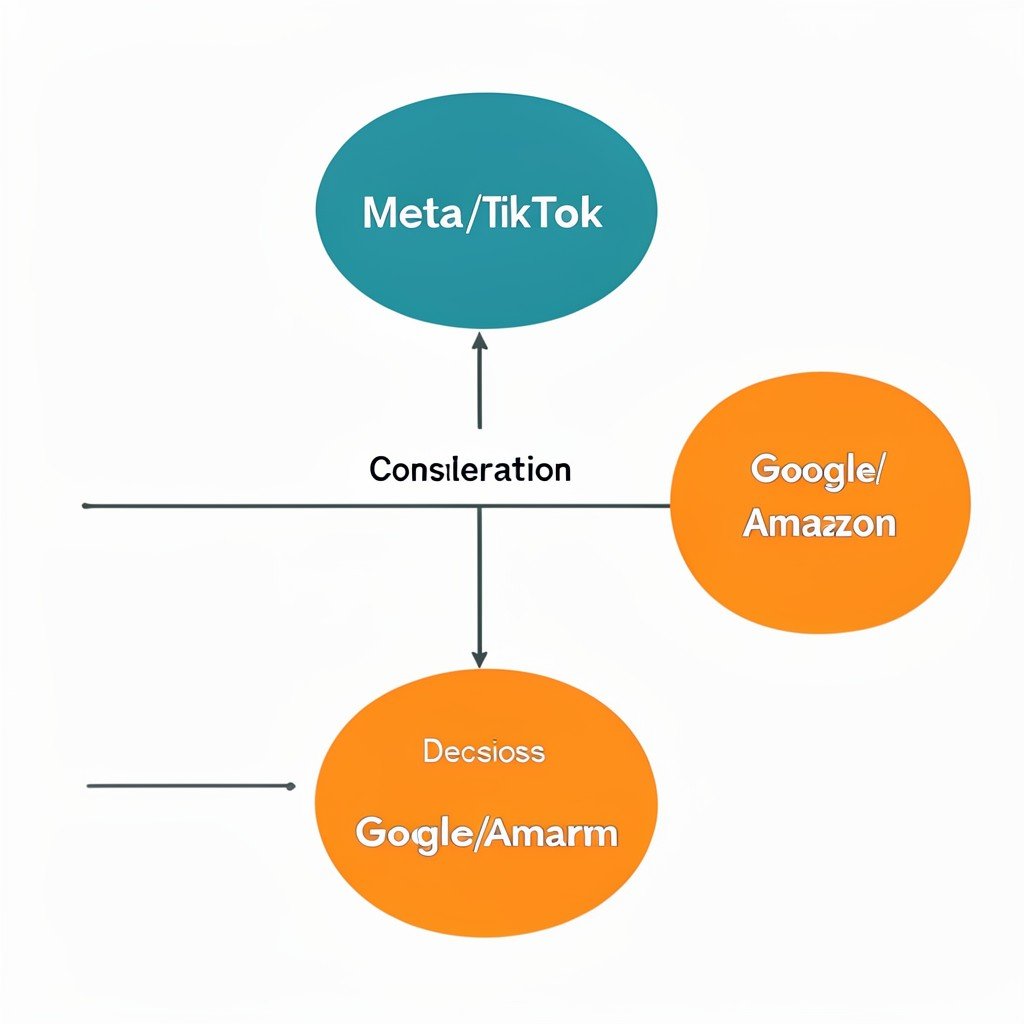
Start with your customer’s buying journey. If they need you right now (plumber, locksmith, emergency tow truck), Google Ads is the only real choice because it captures immediate intent. If they need to be convinced over time (coaching program, skincare routine, furniture), Facebook or Instagram ads with retargeting make more sense. The worst mistake is picking a platform because it is popular rather than matching it to how your audience makes purchasing decisions. For example, a B2B software company spending $3,000 on TikTok Ads is likely wasting money unless their product is viral-worthy.
Consider your sales cycle. Short-cycle sales (under one week) work well with Google and Amazon because they target people ready to buy. Longer sales cycles (30–90 days) require retargeting and multiple touchpoints — that’s where Meta and LinkedIn shine because you can build ad sequences that nurture leads. Many small businesses give up after one week of ads, not realizing that B2B leads often need 5–7 touches before they convert. If you have a long cycle, budget for at least 90 days of consistent ads before judging a platform’s effectiveness.
Examine your profit margins. Low-margin products (under 30% profit) are hard to make work with paid ads unless you have very high conversion rates and low cost-per-click. High-margin products (over 50%) give you room to spend more per acquisition. If your product sells for $50 and costs $35, you have only $15 to spend on ads — that means you need a cost-per-acquisition under $15, which is tough on any platform except maybe Facebook with great creative. In contrast, a $500 coaching program with a $50 cost of delivery leaves $450 for ads, opening up LinkedIn and Google.
Test before you commit. The smartest small businesses allocate 80% of their budget to the platform they know works and 20% to testing a new platform each month. This keeps your business running while you explore. For example, if you’re already successful on Facebook, try a $500 test on TikTok for three months before deciding to shift budget. The data from that test — not a gut feeling — should dictate your next move.
What Are the Hidden Costs of Online Advertising Platforms in 2026?
Beyond the click cost, every platform has management costs. Many small business owners don’t factor in the time they spend creating ads, monitoring campaigns, and analyzing results. If you pay yourself $50 per hour and spend 10 hours a week on a $1,000 ad budget, your true cost is $1,500 per week, making the ads look less profitable. Automation tools like Google’s Smart Bidding reduce time but require regular checking to avoid overspending on low-performing keywords.
Testing costs are often underestimated. You may need to spend $200–$500 on each platform just to find a winning ad or targeting combination. If you skip testing and go straight to “what everyone else does,” you risk burning your budget on losing bets. For example, running a single ad set on Facebook without split testing images or headlines means you’ll never know if a tiny change could double your conversion rate. Allocate at least 10–15% of your monthly budget to testing new audiences, creatives, or landing pages.
Creative production costs can add up quickly. A professional 15-second video ad can cost $500–$2,000 to produce if you hire a freelancer. Even DIY tools like Canva and CapCut require time and skill to make ads that don’t look amateurish. Beginners often underestimate how much good creative matters — a mediocre ad on the perfect platform will still fail. Budget either money for professional creative or time to learn the craft. There’s no free lunch.
Platform-specific fees and account management tools also eat into budgets. Google Ads partners charge management fees of 10–20% of ad spend. Amazon Ads has referral and fulfillment fees built into each sale. If you use third-party tools like AdEspresso for Facebook or Optmyzr for Google, those are additional monthly costs ($50–$200 each). When calculating your return on ad spend, include every cost — not just the ad platform’s bill.
How Much Should a Small Business Spend on an Online Advertising Platform to See Meaningful Results?
The old rule of thumb — 10–20% of revenue — still holds, but the floor matters more. Most small businesses need at least $500 per month for 90 days on a single platform to collect enough data for optimization. Spending $100 per month and quitting after a week tells you nothing. If you can’t commit at least $500 monthly to one platform, you are better off investing that money in SEO or referral marketing instead of paid ads, because the data noise will drown out any signal.
For local service businesses (plumbers, roofers, dentists), $1,000–$2,000 per month on Google Ads often yields 10–30 leads depending on your location and competition. That’s enough to keep a couple of technicians busy if you close at least 30% of leads. The key is to track calls and form submissions back to Google, not just clicks — many beginners celebrate high click-through rates but ignore whether those clicks turned into paying customers.
E-commerce businesses selling products between $20 and $100 typically need $2,000–$5,000 per month to sustain a meaningful test on Facebook or TikTok. With that budget, you can run dynamic product ads and retargeting campaigns that generate consistent sales. Below $2,000, your data is too thin to optimize effectively, and you risk spending money without learning anything. If your budget is limited, focus on one platform that matches your best-selling product’s audience.
Freelancers and service providers with high-ticket offers (coaching, consulting, web design) can see results with just $500–$1,000 per month on LinkedIn. The catch is that these results often take 3–6 months to show up because the sales cycle is long. If you expect instant results, you will be disappointed. The realistic timeline for meaningful ROI on LinkedIn is 6 months — plan your cash flow accordingly. Many successful freelancers start with LinkedIn and add Google Ads only after they have predictable income.
Which Online Advertising Platform Has the Best Targeting for Small Budgets?
Meta Ads (Facebook and Instagram) still offer the best granularity for under $1,000 per month. You can target by interests, behaviors, demographics, and custom audiences from your email list or website visitors. The 2026 updates have made Custom Audiences even more powerful — you can upload a list of 500 past customers and Meta will find millions of similar people. For a local bakery, that means targeting people within 5 miles who follow baking accounts or have visited competitor websites. No other platform offers this level of detail for such a low entry cost.
Google Ads’ targeting is intent-based rather than demographic-based. You target keywords people type when they need your service — that is inherently more precise for capturing demand but offers little control over who sees the ad beyond geography. For example, a wedding photographer in Austin can target “Austin wedding photographer” and get only people searching for that term. The downside is that you cannot target by age, income, or interests — you get whoever searches, which may include people with no ability to pay your prices. Negative keywords help filter out bargain hunters.
TikTok Ads target based on user behavior and content affinity, similar to Meta but with a younger skew. You can target by categories like “Fitness & Health” or “Finance & Business” and layer on demographics. However, TikTok’s algorithm prioritizes engagement (watch time, shares) over user intent, so your targeting is less reliable for direct sales. If you need to reach 18–35 year old women interested in sustainable fashion on a small budget, TikTok can work — but plan to test multiple ad groups to find your audience.
LinkedIn targeting is unmatched for B2B: job title, company size, industry, skills, and seniority. If you sell to “HR managers at companies with 50–200 employees,” LinkedIn is the only platform that lets you directly target that segment. The trade-off is high cost and low volume — you may reach only 5,000–10,000 people per month with a $1,000 budget. That’s fine for high-ticket sales but frustrating for low-cost products. Beginners are often disappointed by how few impressions they get for their money.
How Do You Measure Success Across Different Online Advertising Platforms?
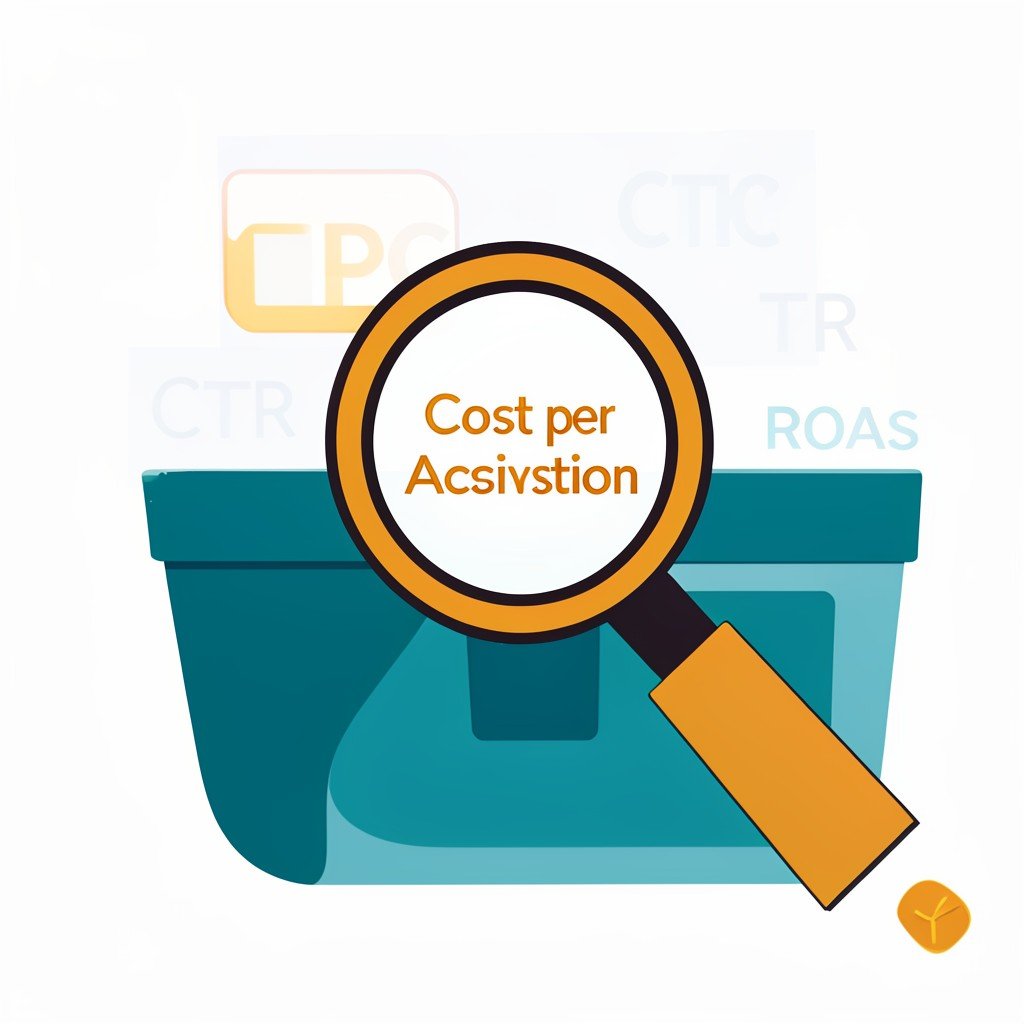
Set the right metric from day one: cost per acquisition (CPA) is the only number that matters for most small businesses. Cost per click and click-through rate are vanity metrics if they don’t lead to sales. For a lead generation business, CPA means cost per lead. For e-commerce, it’s cost per purchase. Choose one primary metric per campaign and ignore everything else until you hit your target CPA. If your CPA is higher than your profit per sale, stop the campaign and fix your funnel or targeting.
Use the platform’s conversion tracking and also verify with a separate analytics tool like Google Analytics or Microsoft Clarity. Platform-reported conversions are often inflated because they count micro-conversions (like 3-second page views) as conversions. For example, Facebook may report 10 conversions from a $500 campaign, but your CRM shows only 2 actual leads — that gap is costly. Implement server-side tracking or use UTMs to get a more accurate picture. Small businesses often trust platform data blindly and overspend on underperforming ads.
Attribution models matter more than you think. A simple last-click model works fine for Google Ads because it captures final searches, but for Meta and TikTok, you need a view-through or multi-touch model. A customer might discover you on Instagram, search for your brand on Google a week later, and then buy. Google gets the credit if you use last-click, but Instagram actually drove the awareness. Use a 7-day click and 1-day view attribution window for Meta, and longer windows for high-ticket items. Most beginners use the default “last click” and underinvest in top-of-funnel platforms.
Review weekly but optimize no more than once per month. Changing bids, audiences, or creative too often leads to “optimization paralysis” — you never let a campaign run long enough to gather statistically significant data. Give a campaign at least 50 conversions before making major changes. If you cannot get 50 conversions in a month, your budget is too low or your targeting is too narrow. In that case, either increase budget or broaden targeting until you reach the data threshold.
Which Online Advertising Platform Should You Start With in 2026?
For a small business with a limited budget, there is no single perfect online advertising platform — the right choice depends entirely on your business model, audience, and goals. Google Ads remains the safest start for capturing immediate demand, especially for local services and B2B companies with clear search intent. Meta Ads are the best bet for businesses that need to build awareness and retarget interested prospects, particularly for visual products and consumer services. TikTok Ads offer low-cost reach if you can create engaging short video content, and LinkedIn Ads are unmatched for high-value B2B targeting but demand patience. Amazon Ads are mandatory for sellers on that marketplace, and Microsoft Advertising is a cost-effective alternative for professional audiences. Start with a clear metric, test small, and scale what works. The platform that gives you the lowest cost per customer over 90 days is the right one for your business right now.
Frequently Asked Questions
What is the cheapest online advertising platform for small businesses?
TikTok Ads often offer the lowest cost per click (as low as $0.10–$0.30), but low click costs do not always mean low cost per acquisition. Microsoft Advertising is also relatively cheap, with clicks often 20–30% lower than Google Ads. Test each platform to find your true CPA.
How long does it take to see results from online advertising platforms?
Most platforms need at least 30 days of consistent spending to gather enough data for optimization. Search-based platforms like Google Ads can generate leads within hours, but profitable results typically take 60–90 days of refining targeting and creative.
Can I run effective ads with a $200 monthly budget?
A $200 monthly budget is very tight and works best for Google Ads in a low-competition market or for retargeting existing website visitors on Meta. You will likely only see a handful of clicks per day, so focus on a single highly specific keyword or audience.
Should I use an agency or manage my own small business ads?
If your monthly budget is under $2,000, managing ads yourself is usually better because agency fees (10–20% of spend) eat into results. Invest your money in learning the platform through free resources and running small tests. When you reach $5,000+ monthly, an agency or freelancer can save you time and often improve performance. Here is a quick checklist to evaluate whether to DIY or hire an agency:
- Monthly budget under $2,000: DIY — agency fees will eat too much of your spend.
- Monthly budget $2,000–$5,000: Consider a freelancer or specialized consultant for a fixed project fee.
- Monthly budget over $5,000: An agency or dedicated in-house expert can provide efficiency and scale.
- Time availability: If you have less than 5 hours per week to manage ads, hiring help is often worthwhile.
- Platform expertise: If you are new to a platform, a short-term mentor or course can be more cost-effective than a long-term agency contract.