
How to Choose the Right SEO Agency for Your Small Business in 2026
Choosing the right SEO agency means finding a partner that understands your small business goals, uses ethical white-hat tactics, and communicates transparently. In 2026, this requires checking for AI expertise, content quality, and proven local SEO strategies.
You have a small business to run, and you know that getting found online is critical. But with hundreds of SEO agencies claiming they can get you to page one of Google, how do you separate the experts from the pretenders? This guide walks you through what to look for, what to avoid, and exactly how to vet an SEO agency in 2026 so you don’t waste money or damage your site’s reputation.
What Does an SEO Agency Actually Do in 2026?
An SEO agency is a team that helps your website rank higher in organic search results. In 2026, their work typically spans several disciplines: technical SEO, content creation, link building, and local SEO. Beyond just keywords, agencies now optimize for AI overviews and voice search, which require well-structured data and conversational content.
Many small business owners think SEO is a one-time setup, but it’s an ongoing process. A reputable agency will conduct an initial audit, then develop a strategy that evolves with algorithm updates. They track rankings, organic traffic, and conversions to measure success. In 2026, you should expect monthly reporting with clear metrics like keyword positions, click-through rates, and revenue from organic channels.
Be aware that SEO takes time. Most agencies will tell you to expect noticeable improvements in 3 to 6 months, but serious traffic growth often takes 6 to 12 months. If an agency promises rapid results or a quick fix, that’s a red flag for black-hat tactics like buying links or keyword stuffing, which can get your site penalized.
A common mistake small business owners make is expecting the agency to do everything while they do nothing. In reality, a good agency will ask for your input on content topics, customer insights, and business goals. They should also guide you on internal resources you need to provide, such as access to your website backend and analytics.
How to Vet an SEO Agency: Key Questions to Ask
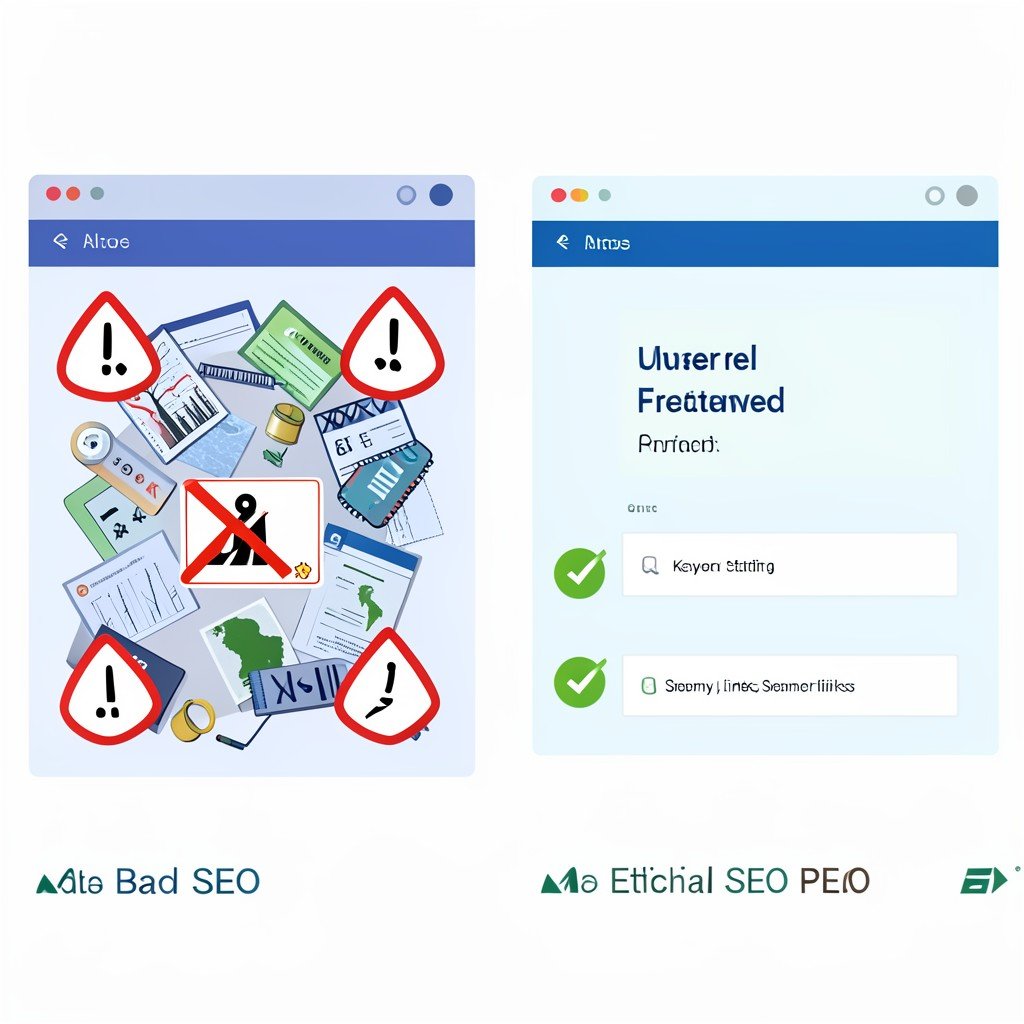
Start by asking potential agencies about their process. How do they approach a new client? A thorough agency will begin with a technical audit, keyword research, and competitor analysis. They should be able to explain their methodology in plain language, not jargon. For example, instead of saying “we’ll optimize your metadata,” they should explain what metadata is and how it helps users and search engines.
Ask about their experience with small businesses in your industry or local area. An agency that has worked with similar clients will understand your audience and competitive landscape. They should be able to share anonymized case studies or examples of before-and-after results. Be wary of agencies that only show big brand logos but cannot explain what they did for those clients.
Transparency around pricing is crucial. Many agencies offer monthly retainers that range from $1,500 to $5,000 for small business SEO, while boutique agencies can charge $5,000 to $10,000 per month. Hourly rates often run $100 to $300 per hour. Some agencies also offer project-based pricing for specific deliverables like a site audit or content package. Ask for a clear breakdown of what’s included and whether there are additional costs for tools or outreach.
Finally, probe their stance on AI-generated content. As of 2026, Google accepts AI-assisted content as long as it’s helpful and original. A good agency will use AI to speed up research and outlines but will employ humans to fact-check, add unique insights, and ensure quality. If an agency relies entirely on AI with no human review, the content may lack depth and get flagged as spam.
Red Flags: When to Walk Away from an SEO Agency
The biggest red flag is a guarantee of #1 rankings. No legitimate agency can guarantee specific positions because Google’s algorithms are constantly changing. If an agency promises this, they are likely using manipulative tactics that could get your site penalized. Instead, look for agencies that set realistic expectations based on your market competitiveness.
Another red flag is a focus on link quantity over quality. In 2026, buying links from low-quality directories or private blog networks remains a fast track to a manual penalty. A trustworthy agency will build links through genuine outreach, guest posting on relevant sites, and creating shareable content. Ask them to explain their link-building process and how they avoid risky sources.
Beware of agencies that avoid communication. They should provide a dedicated account manager and respond to emails within 24 hours. If they are vague about timelines or resist sharing their process, that’s a sign they might not deliver value. Also, check their own website’s SEO: if an agency selling SEO cannot rank for relevant terms themselves, that’s telling.
Another warning sign is a lack of transparency around data. You should have access to your own Google Analytics, Google Search Console, and any third-party tools they use. If an agency tries to keep these accounts in their name or refuses to give you access, they could be hiding poor performance or using spammy tactics. Always maintain ownership of your properties.
What to Look for in an SEO Agency Contract
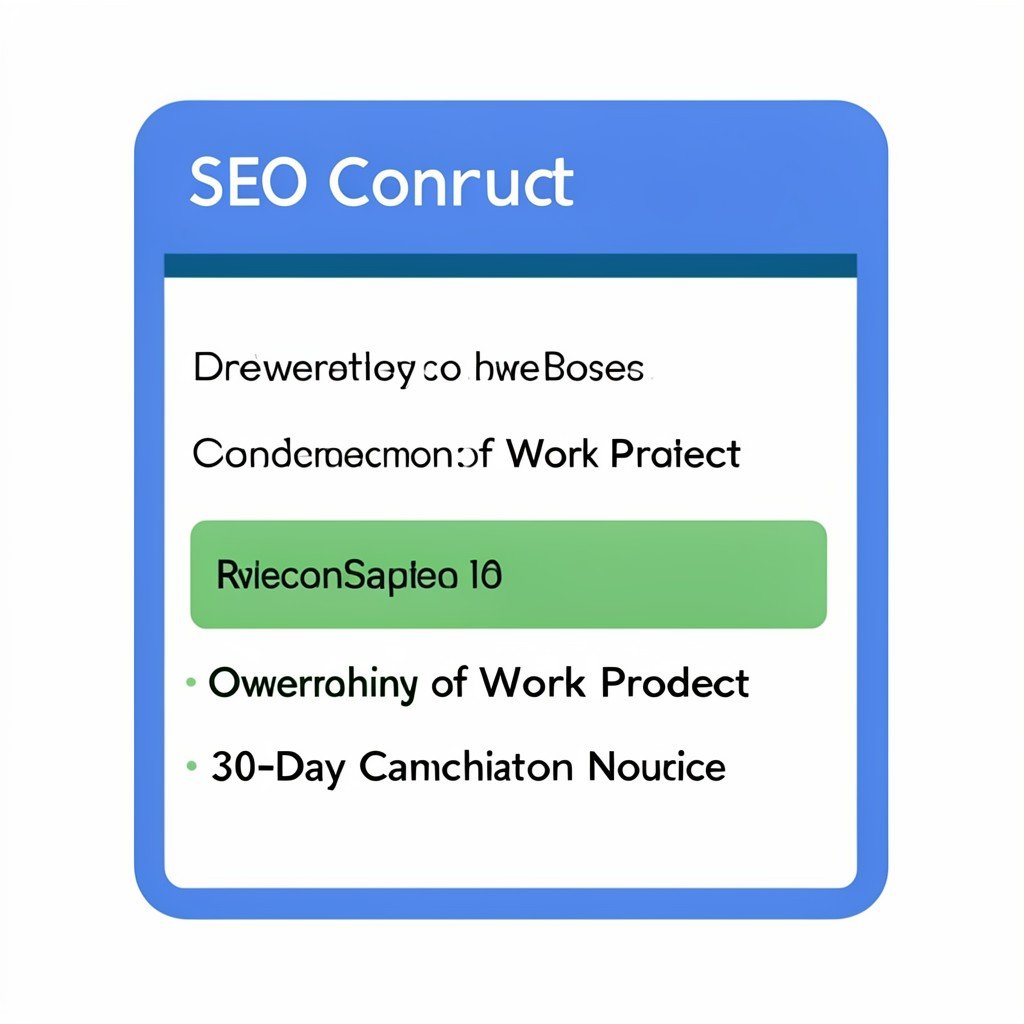
A solid contract clearly defines the scope of work, deliverables, and timelines. Look for a clause that states you own all work product, including content, backlinks, and technical changes. There should be a clear termination policy, typically a 30-day notice period, so you can leave if you are not satisfied. Avoid contracts longer than 12 months initially; a 6-month trial is safer.
Payment terms should align with milestones or monthly retainers, not large upfront payments. Red flags include demands for a year-long commitment paid upfront or a setup fee that seems excessive. Industry-standard setup fees for small business SEO range from $500 to $2,500 depending on the depth of audit needed.
The contract should also specify reporting frequency and format. Most agencies provide monthly reports with key metrics like organic traffic, keyword rankings, and backlink growth. Ensure the contract includes access to a dashboard or PDF report. Additionally, check if they include a monthly strategy call to discuss results and adjust tactics.
Lastly, review the cancellation clause carefully. Some agencies lock you into a minimum term and charge penalties for early exit. Others require you to pay for the remaining months if you cancel. A fair contract allows you to cancel at any time with a 30-day notice, giving you flexibility if things aren’t working.
How to Measure an SEO Agency’s Performance
Define success metrics upfront. For a small business, the most important metric is usually organic traffic that leads to leads, sales, or phone calls. Google Analytics can track goal completions and revenue. Also track keyword rankings for terms that actually drive business—not just vanity keywords with high volume but low intent.
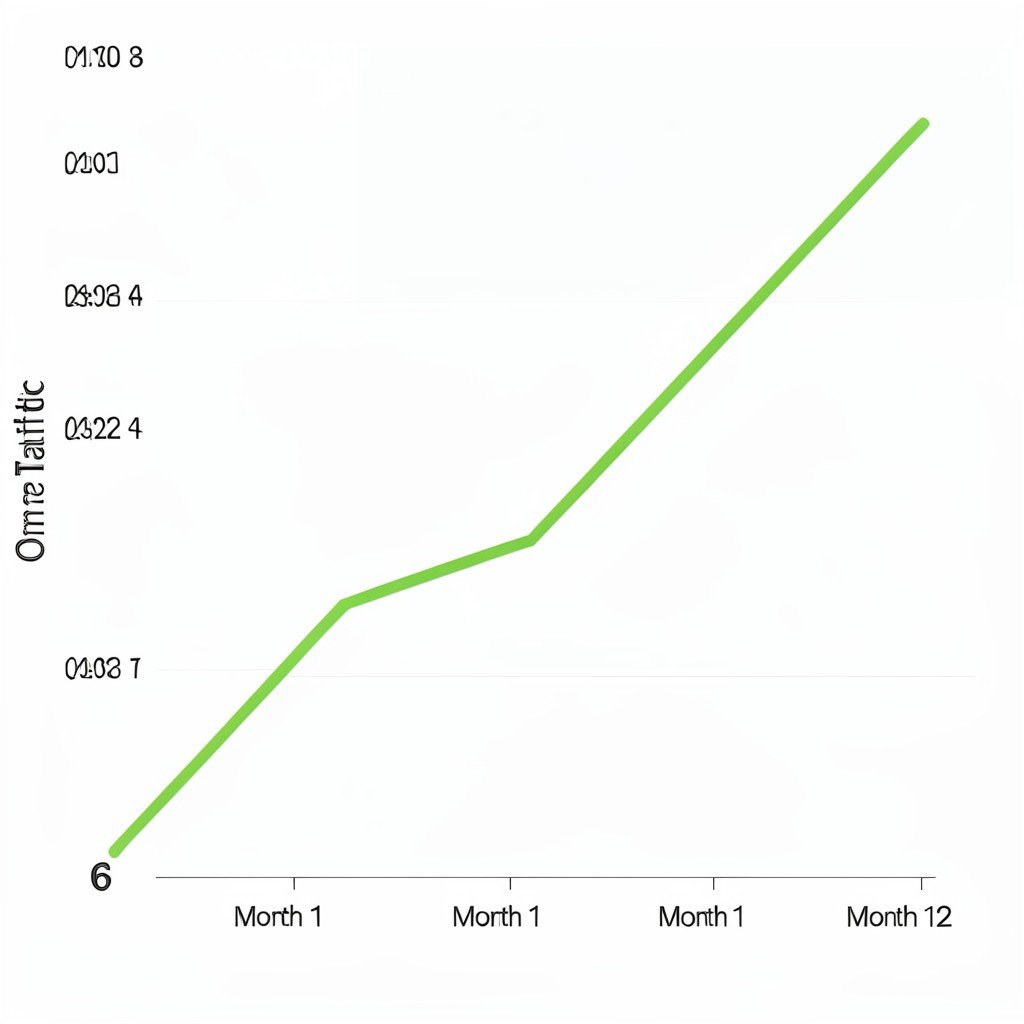
A good agency will show steady improvement over time, not just spikes. Expect rankings to fluctuate in the first few months as Google re-evaluates your site. By month 3, you should see an upward trend in impressions and clicks. By month 6, meaningful traffic increases should be visible. If after 6 months you see negligible change, it may be time to reassess.
Monitor backlink quality using tools like Ahrefs or Moz. You want links from relevant, authoritative sites, not spammy directories. A sudden drop in links or a manual action notice in Google Search Console indicates bad practices. Ask your agency to include a backlink audit in monthly reports.
Communication is also a performance indicator. Does the agency proactively share insights and recommendations, or do you have to chase them? A responsive agency that educates you on SEO trends is more likely to be invested in your long-term success. Schedule quarterly business reviews to align SEO strategy with your overall marketing goals.
Local SEO vs. National SEO: Which Do You Need?
If your small business serves a specific geographic area—like a pizza shop in Chicago or a dentist in Denver—you need a local SEO strategy first. Local SEO focuses on optimizing your Google Business Profile, getting reviews, and appearing in local pack results. A good agency will claim and verify your listing, optimize categories and descriptions, and help you manage reviews.
National SEO, on the other hand, targets broader keywords without geographical modifiers. This is for businesses that ship nationwide or offer services remotely, such as an online boutique or a virtual coaching company. National SEO requires more content creation and link building, often at a higher cost. Some agencies specialize in one or the other, so choose accordingly.
A hybrid approach works for businesses with both local and national ambitions, like a chain of yoga studios or a multi-location service provider. In that case, the agency should run both local campaigns for each location and a national campaign for the brand. This requires more budget but provides comprehensive coverage.
When vetting an agency for local SEO, ask how they handle Google Business Profile optimizations and local citations. They should have experience with GBP updates and understand the importance of consistent NAP (Name, Address, Phone number) across directories. For national SEO, ask about their content marketing strategy and topical authority building.
Conclusion: Making the Final Decision
Choosing the right SEO agency for your small business in 2026 comes down to finding a partner who communicates clearly, uses ethical tactics, and aligns with your specific goals. To help you decide, here is a checklist of key criteria to evaluate during your vetting process:
- Clear communication and a dedicated account manager.
- Transparent pricing with a breakdown of services.
- Realistic timelines for results (3-6 months for early indicators, 6-12 months for major growth).
- Proven experience with small businesses similar to yours.
- Ethical link-building practices and a clear process.
- Access to your own analytics accounts and regular reporting.
- A fair contract with a 30-day cancellation clause.
The right agency will view your success as their success. They will educate you, be transparent about challenges, and celebrate wins. Remember, SEO is a marathon, not a sprint. Investing in a quality agency now will build a foundation for sustainable organic growth that compounds over time. Take your time, check references, and choose a partner you can work with for the long haul.
Frequently Asked Questions
How much does an SEO agency cost for a small business?
For a small business, monthly retainers typically range from $1,500 to $5,000. Project-based work like an audit may cost $1,000 to $3,000. Hourly rates run $100–$300. Costs vary by scope, competition, and agency reputation.
How long does it take to see results from an SEO agency?
You can expect early indicators like improved keyword rankings within 3 months, but significant organic traffic growth usually takes 6 to 12 months. Results depend on your market competitiveness, starting point, and the quality of work.
Should I hire a local SEO agency or a national one?
If your business relies on local customers, hire an agency with proven local SEO expertise. If you serve a wider area or sell online, a national agency with broad experience may be better. Many agencies offer both services.
What red flags should I watch out for when choosing an SEO agency?
Watch for guarantees of #1 rankings, low-quality link building, lack of transparency, and contracts that lock you in for a year without performance clauses. Always ask for references and check their own site’s SEO.