
AI Marketing Tools for Small Business: Boost Efficiency on a Budget
AI marketing tools help small businesses automate repetitive tasks, personalize campaigns, and analyze data — all without a big budget. These tools save hours each week and improve ROI by targeting the right audience with the right message at the right time.
Marketing your small business or freelance operation on a tight budget can feel overwhelming. You’re expected to maintain a strong online presence, engage with customers, run ads, and analyze performance — often wearing every hat yourself. AI marketing tools have changed the game, giving solopreneurs and small teams the power of entire marketing departments for a fraction of the cost. This post walks you through practical, affordable AI tools that streamline SEO, social media, email campaigns, and paid ads, helping you work smarter not harder. By the end, you’ll have a clear plan to integrate AI into your marketing workflow and see real results.
What Are AI Marketing Tools and How Do They Work?

AI marketing tools use machine learning, natural language processing, and predictive analytics to automate and optimize marketing tasks. They can generate content, segment audiences, schedule posts, and even predict which leads are most likely to convert. For small businesses, this means doing more with less — less time, less money, and fewer errors.
For instance, an AI tool for social media can analyze your past posts to determine the best times to publish and suggest content topics that resonate with your followers. Email marketing AI can personalize subject lines and send times based on individual user behavior, increasing open rates without manual effort. Many of these tools integrate with platforms you already use, like WordPress, Shopify, or Mailchimp, making adoption seamless.
The core benefit is efficiency. Instead of spending hours on repetitive tasks, you focus on strategy and creative direction. AI handles the heavy lifting of data analysis, A/B testing, and routine content generation. For a freelancer or small business owner, that capacity gain can be the difference between stagnation and growth.
Importantly, these tools are designed for non-experts. You don’t need a data science background to use them. Most have intuitive dashboards, pre-built templates, and step-by-step wizards. The learning curve is shallow, and many offer free tiers or low-cost plans that fit a modest budget.
How Can AI Marketing Tools Improve SEO for Small Businesses?
SEO is a top priority for small businesses wanting organic visibility. AI tools simplify keyword research, content optimization, and technical audits. Tools like Clearscope, Surfer SEO, and Frase use AI to analyze top-ranking content and suggest exactly which terms to include, how many times, and where. That means your blog posts and pages have a better chance of ranking without hiring an expensive SEO agency.
For content creation, tools like ChatGPT or Jasper can draft SEO-friendly articles in minutes. You input a topic and target keyword, and the AI produces a structured outline or full draft that you can refine. This doesn’t replace your expertise — it accelerates the writing process so you can publish consistently. Search engines favor fresh, relevant content, so maintaining a steady publishing schedule becomes easier.
Predictive analytics also help identify content gaps. AI can scan your site and competitors to find topics your audience is searching for but you haven’t covered. By filling those gaps, you attract more qualified traffic. Many tools also monitor keyword rankings and provide alerts when a page drops, allowing you to update content before losing visibility.
Technical SEO gets a boost too. Tools like Sitebulb or Screaming Frog (AI-powered features) crawl your site and pinpoint issues like broken links, slow pages, or missing meta tags. Fixing these improves user experience and can positively affect rankings. AI takes the guesswork out of SEO, making it accessible to anyone who can follow a checklist.
Top Affordable AI Tools for Small Business Marketing
Here are some of the best AI marketing tools that won’t break the bank, categorized by function. Most offer free trials or freemium versions so you can test before committing.
- Content and Copywriting: Jasper, Copy.ai, Writesonic — generate blog posts, ad copy, social media captions, and emails. Plans start around $29/month.
- SEO and Content Optimization: Surfer SEO, Frase, Clearscope — optimize content for search intent and structure. From $29/month.
- Social Media Management: Buffer (with AI scheduling), Hootsuite Insights, Lately — automate posting, analyze engagement, and repurpose content. Free plans available.
- Email Marketing Automation: Mailchimp (AI features), ActiveCampaign, Sendinblue — smart segmentation, predictive send times, and personalization. Start around $15/month for small lists.
- Paid Ads Optimization: Albert AI, Pattern89, Adext AI — optimize bid strategies, targeting, and creative testing. Often percentage-based fees or flat rates from $49/month.
- Analytics and Insights: Google Analytics 4 (AI insights), Tableau (AI features), Chatfuel (for chatbots) — free or low cost, reveal patterns you might miss manually.
When selecting tools, prioritize those that integrate with your existing stack. Most have a free tier or trial, so take advantage of that. Start with one tool per area (e.g., one for SEO, one for social) and expand once you see results. Remember, the goal is efficiency — don’t overload yourself with too many tools at once.
How Do AI Marketing Tools Help with Social Media Strategy?
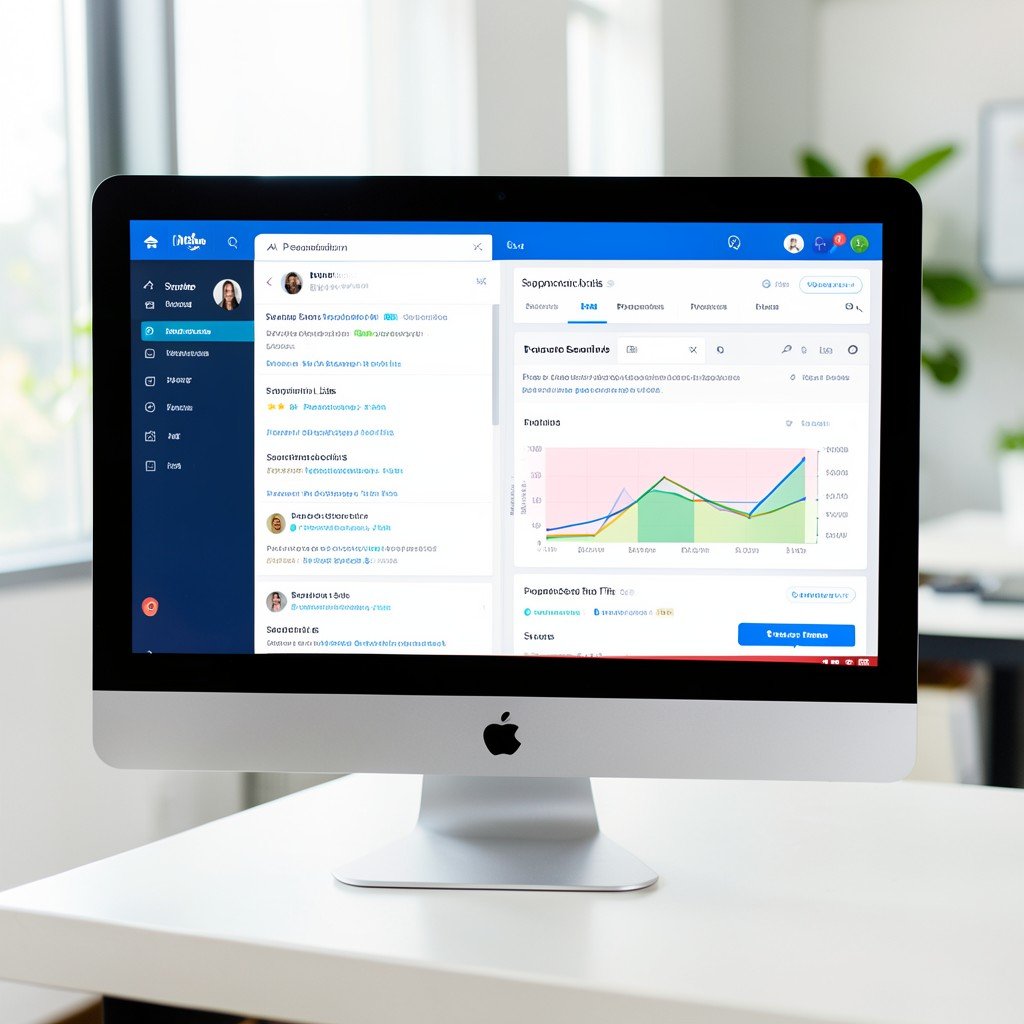
Social media management is a prime candidate for AI automation because it involves repetitive, time-consuming tasks. AI tools can schedule posts across multiple platforms, analyze engagement data, and even generate content ideas based on trending topics. For a small business owner, this frees up hours each week that can be reinvested into creating higher-quality content.
For example, tools like Lately use AI to automatically repurpose long-form content (like a blog post or video) into dozens of social media snippets with appropriate captions and hashtags. This ensures a consistent posting schedule without manual effort. Buffer’s AI suggests optimal posting times for your specific audience based on historical engagement data, increasing the likelihood of likes, shares, and comments.
Sentiment analysis is another powerful feature. AI can scan comments and messages to gauge public perception of your brand. If negative sentiment spikes, the tool alerts you so you can respond quickly. For small businesses, this proactive approach to reputation management is invaluable. Additionally, AI-driven chatbots on platforms like Facebook Messenger or Instagram can handle common customer inquiries instantly, 24/7, improving response time and satisfaction.
Finally, AI helps with influencer identification. Tools can analyze follower demographics and engagement rates to find micro-influencers relevant to your niche. Collaborating with them expands your reach authentically. For freelancers and small businesses, micro-influencers often offer better ROI than big influencers because of higher engagement and lower costs.
How AI Marketing Tools Streamline Email Marketing on a Budget
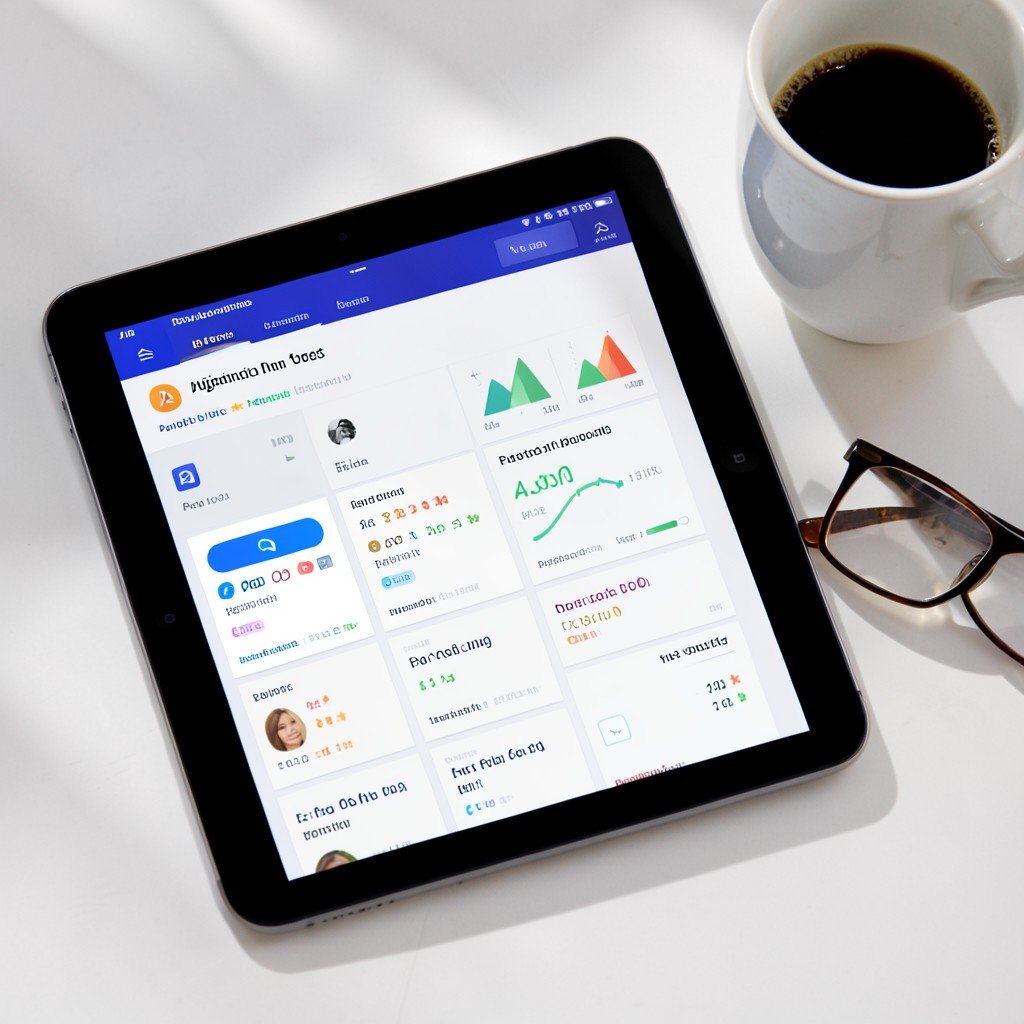
Email marketing remains one of the highest ROI channels, but managing lists, segments, and campaigns manually is tedious. AI marketing tools automate the heavy lifting. Predictive analytics can determine the best time to send each email to each subscriber, increasing open rates. For instance, Mailchimp’s AI feature analyzes past behavior to schedule sends individually.
Personalization goes beyond using a first name. AI can segment your list based on purchase history, browsing behavior, and engagement levels. Then it can dynamically insert product recommendations, relevant articles, or special offers tailored to each segment. A small business using AI for personalization often sees a significant lift in click-through rates and conversions compared to generic blasts.
Automated workflows trigger emails based on specific actions, like a welcome series when someone subscribes, or a re-engagement sequence for inactive subscribers. These workflows run on autopilot, nurturing leads and customers without daily oversight. Tools like ActiveCampaign and ConvertKit offer visual builders that let you design complex automation without coding.
Additionally, AI can A/B test subject lines, content, and calls-to-action automatically, rapidly iterating to find the winning combination. This data-driven approach maximizes the performance of every email you send. For budget-conscious businesses, free versions of platforms like Mailchimp provide basic AI features up to 500 subscribers, making email automation accessible.
Paid Ads Optimization with AI: Getting More from Every Dollar
Paid advertising on Google, Facebook, or LinkedIn can drain a small budget quickly if not optimized. AI advertising tools help you maximize ROI by automating bid adjustments, targeting, and ad creative testing. Tools like Pattern89 (now part of SEER Interactive) analyze thousands of ad permutations to recommend the best combinations of audience, placement, and copy.
Albert AI is a full-funnel AI marketing platform that autonomously manages campaigns across Google, Facebook, and Instagram. It allocates budget to the best-performing channels, adjusts bids in real-time, and even generates ad variations. For a small business, this means you can run sophisticated paid campaigns without a dedicated ads manager. The cost is based on the media spend, typically a percentage, so it scales with your budget.
AI also improves audience targeting. Lookalike modeling uses your existing customer data to find new people similar to your best customers. This increases the chances of conversion. Additionally, predictive scoring helps you focus budget on leads most likely to buy, reducing wasted spend on low-intent clicks.
Creative testing is automated as well. AI tools can generate dozens of ad variations (headlines, images, calls-to-action) from a simple input, then run A/B tests and automatically show the winner more often. This continuous optimization often leads to lower cost-per-acquisition over time. Start small with a single platform, test one tool, and expand as you see returns.
Conclusion: Start Leveraging AI Marketing Tools Today
AI marketing tools are no longer reserved for big budgets. Small businesses and freelancers can access powerful automation, personalization, and analytics for little to no monthly cost. By adopting even one or two tools, you can reclaim hours each week and see measurable improvements in engagement, leads, and sales. The key is to start small — pick one area (like SEO or social media) and a single tool, then expand as you get comfortable. The faster you integrate AI into your marketing, the sooner you can compete with larger companies and grow your brand efficiently.
Frequently Asked Questions
What are the best free AI marketing tools for small businesses?
Mailchimp’s free plan offers basic email automation and AI-powered send time optimization. Buffer’s free social media scheduler includes AI-driven optimal timing. Google Analytics 4 provides free AI insights into your site traffic and user behavior. Canva’s free tier includes AI-powered design features and content suggestions.
How do AI marketing tools help save money?
AI tools automate repetitive tasks like scheduling, content generation, and data analysis, reducing the need for additional staff or freelance hours. They also optimize ad spend and targeting, ensuring your budget goes toward the highest-performing campaigns. Over time, this efficiency lowers your overall marketing costs.
Can AI tools replace a human marketer?
AI tools enhance human marketers but cannot replace strategic thinking, creativity, and emotional connection. They handle data and repetitive tasks, freeing you to focus on brand voice, customer relationships, and big-picture strategy. The best results come from combining AI efficiency with human insight.
What should I look for when choosing an AI marketing tool?
Prioritize tools that integrate with your current platforms, offer a free trial, and have a user-friendly interface. Look for key features like automation, personalization, analytics, and reporting. Consider customer support and community resources. Start with one tool, measure results, and expand once you see success.